Do not shop by “double pane” or “Low-E” alone
Most replacement windows are marketed with familiar phrases: double pane, Low-E, argon, energy efficient. Those features can be useful, but they do not tell you how the complete window performs.
For an apples-to-apples comparison, read the National Fenestration Rating Council (NFRC) label for the exact configuration you are buying. The label reports whole-product performance, including the frame and glass—not a center-of-glass claim.
The four ratings homeowners should understand
U-factor
U-factor measures heat transfer through the window. Lower is generally better for insulation. It reflects more than the number of panes; frame design, spacers and glass package all contribute.
Solar Heat Gain Coefficient (SHGC)
SHGC describes how much solar heat enters through the window. A lower SHGC blocks more solar heat, which can be valuable on strongly sun-exposed windows in a hot, cooling-dominated condition.
The lowest number is not automatically right for every opening. Orientation, exterior shade, winter comfort and daylight goals matter.
Visible Transmittance (VT)
VT indicates how much visible light passes through. Lower-solar-gain glass can also change daylight and color appearance. Compare samples and ratings if maintaining bright interiors is important.
Air leakage
Glass performance cannot compensate for a window that leaks air around the sash or opening. Product design, locks, weatherstripping and installation quality remain important.
The NFRC label guide explains these ratings, and the ENERGY STAR window program uses NFRC-certified values and climate-zone criteria.
Why orientation matters in Sacramento
Two identical windows on different walls can create different comfort problems.
- West-facing windows receive intense afternoon sun when outdoor temperatures are often highest.
- East-facing windows receive morning solar gain.
- South-facing windows can receive substantial seasonal sun depending on overhangs and nearby shade.
- North-facing windows usually have less direct solar exposure but still benefit from good insulation and air sealing.
Before choosing one glass package for the whole home, identify which rooms overheat and when.
If the problem is concentrated at a west-facing opening, use the shade-first Sacramento window test to document exposure before deciding that new glass is the only solution.
Exterior shade can be more powerful than interior blinds
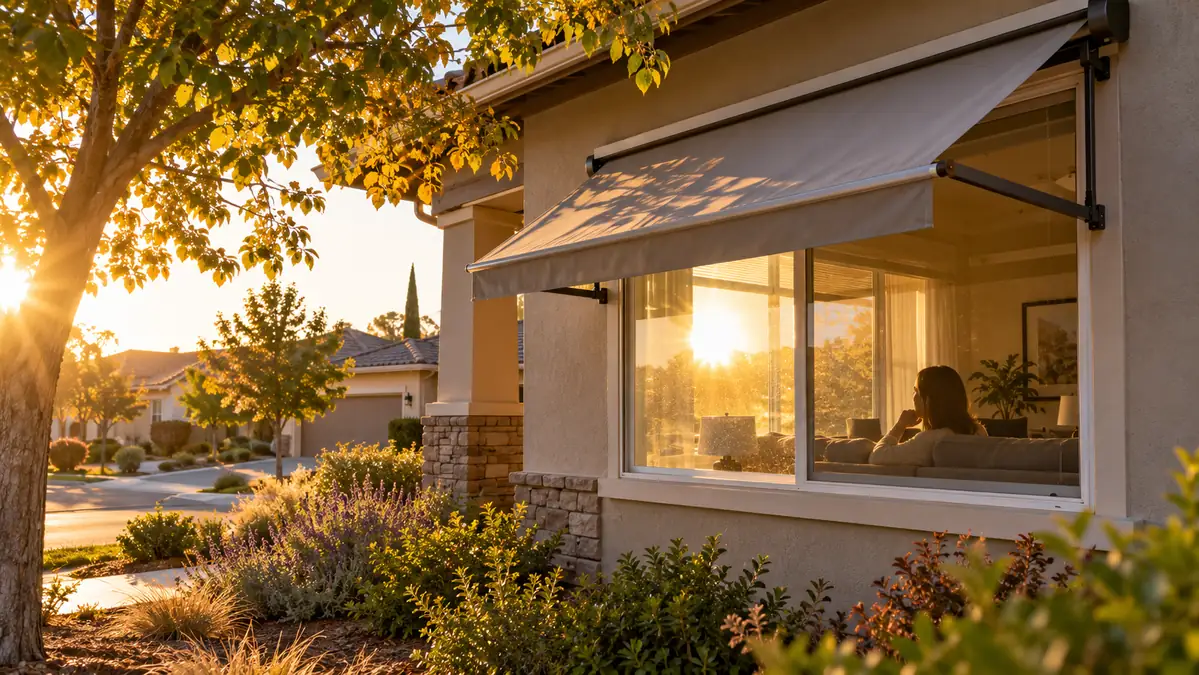
Once solar energy passes through the glass, interior blinds manage glare and privacy but much of the heat is already inside. Properly designed exterior shade—trees, awnings, shutters or architectural overhangs—can stop more sun before it reaches the glass.
Do not add an awning or alter an opening without checking attachment, drainage and local requirements.
What does Low-E actually mean?
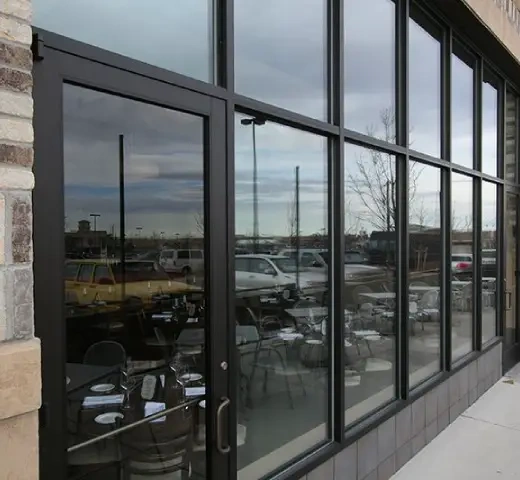
Low-emissivity coatings are thin layers designed to manage heat transfer and solar energy. Different coatings are optimized for different performance goals. A salesperson saying “it has Low-E” is not enough; ask for the actual NFRC U-factor, SHGC and VT.
Are triple-pane windows necessary in Sacramento?
Triple pane can improve insulation and sometimes comfort or sound performance, but it adds weight and cost. It is not automatically the best value for every Sacramento home.
Compare:
- Whole-window U-factor
- SHGC appropriate to the exposure
- Frame quality and operation
- Glass area and visible light
- Sound-control goal
- Installed cost
- Whether the wall and HVAC conditions justify the upgrade
What about argon gas?
Gas fills can reduce heat transfer within an insulated glass unit. They are one component of the total rating. Treat the NFRC label as the result rather than assuming a particular gas name guarantees better performance.
A practical selection process
- Use the ENERGY STAR climate-zone finder for the installation address.
- Record the orientation and shade of each major window group.
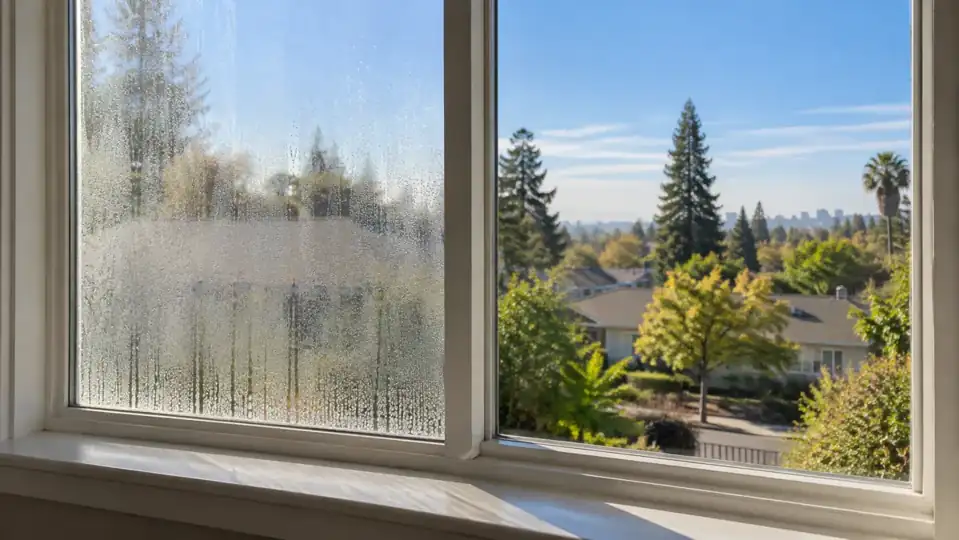
- Identify whether the problem is heat, drafts, glare, noise, failed seals or water entry.
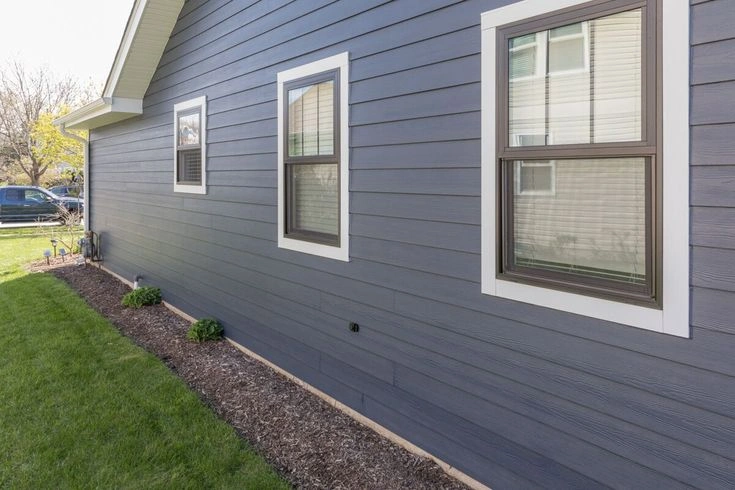
- Compare NFRC labels for the exact sizes and styles being quoted.
- Review how the window will be installed and flashed.
- Confirm permit, safety-glazing and egress requirements where applicable.
The glass package is only half the project
A high-performing window installed into a damaged or poorly integrated opening can still leak air or water. Compare product ratings and installation scope together.
Yellowstone Renovation provides window replacement and exterior coordination across Sacramento Metro. Request a free estimate to review product options and the existing openings.