A bad window is not always a bad pane of glass
Homeowners often notice a draft, cloudy glass or a sash that sticks and immediately assume the entire window must be replaced. Sometimes the issue is a small hardware or seal repair. Other times the frame, opening or installation has failed and a surface repair will not solve the cause.
These ten signs help organize the conversation before you request a replacement estimate.
1. Condensation is trapped between panes
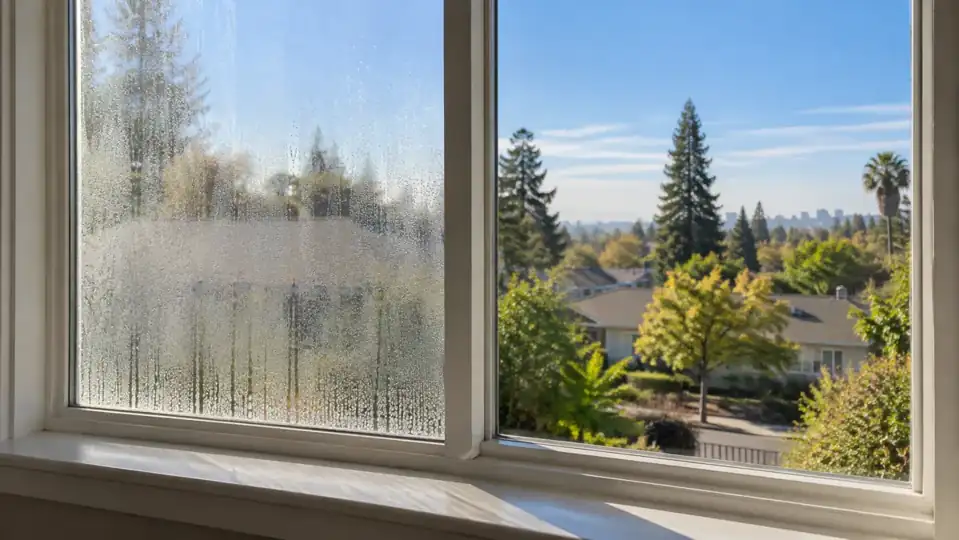
Moisture that can be wiped from the room-side surface may be related to indoor humidity. Fog or droplets between panes usually indicate that the insulated glass seal has failed.
Some window lines allow insulated-glass replacement without replacing the frame. That option depends on the window design, age, warranty and condition of the surrounding components.
2. Water staining appears around the opening
Staining, soft drywall, peeling paint or swollen trim can point to exterior water entry. The source may be the window, flashing, siding, roof or another opening above it.
Do not cover the damage with caulk before identifying the path. A replacement window installed into an unresolved wall or flashing problem can leak again.
3. The sash is difficult or unsafe to operate
A window that no longer opens, stays open or locks reliably can be a safety and ventilation concern. Causes include damaged balances, corroded hardware, a distorted frame or building movement.
Hardware repair may make sense when the frame and sash remain square and replacement parts are available. Widespread distortion or deterioration usually deserves a broader evaluation.
4. You can see daylight around the sash
Visible gaps can indicate worn weatherstripping, loose locks, frame movement or an out-of-square opening. Small weatherstripping repairs can reduce air leakage; large or recurring gaps may point to a window that no longer closes correctly.
5. Exterior frames or sills are soft, cracked or corroded
Wood decay, severe vinyl cracking, failed joints or corroded metal frames can affect more than appearance. Probe suspicious wood only lightly and avoid disturbing finishes on older homes until potential lead-paint requirements are understood.
6. Several windows have the same problem
One failed window may be an isolated defect. Similar seal, operation or frame problems throughout the home can indicate age, a product issue or installation details repeated across many openings. Whole-home replacement may be more efficient, but it should not be assumed without inspecting representative windows.
7. Outside noise has become a major comfort issue
Glass thickness, pane spacing, laminated glass, frame design, seals and installation all affect sound. “Triple pane” is not automatically the best sound-control specification. If noise is the main reason for replacement, tell the estimator what type of sound is most disruptive and which elevations face it.
8. Rooms overheat near sun-facing windows
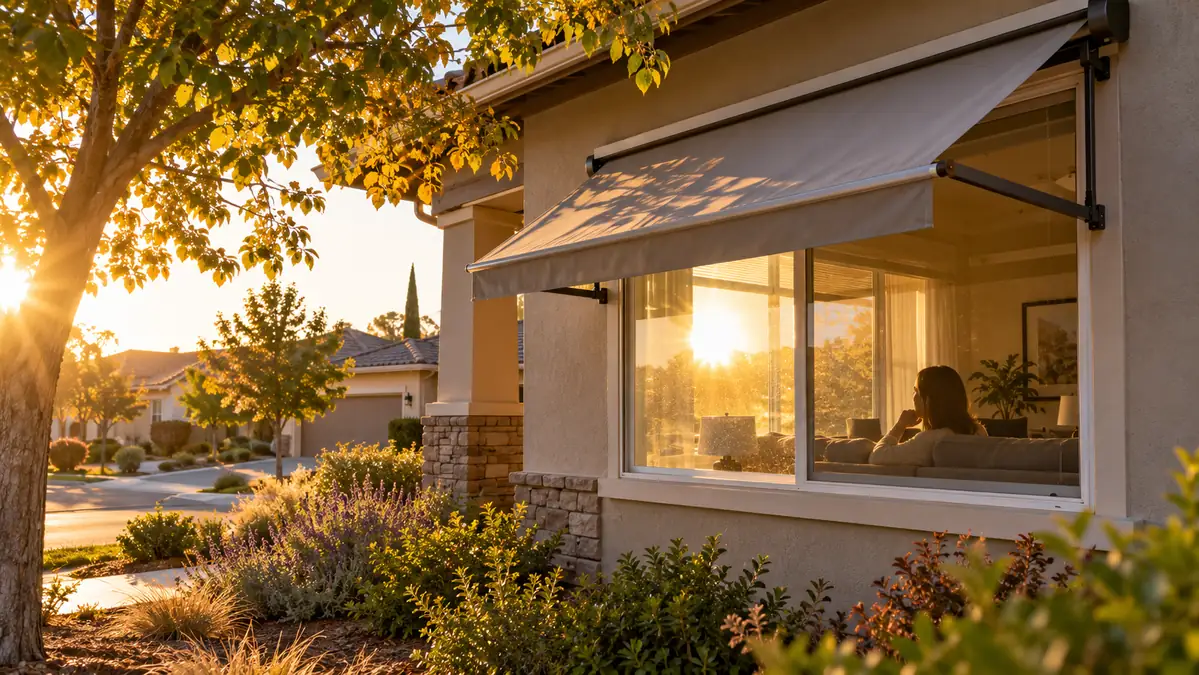
Large east- and west-facing windows can admit substantial solar heat. Glass performance, exterior shade, interior coverings and air leakage all contribute.
When comparing products, look at the NFRC label, not only marketing names. The National Fenestration Rating Council explains that U-factor measures insulation performance and the Solar Heat Gain Coefficient (SHGC) measures admitted solar heat.
9. The window no longer fits a remodeling plan
Replacement may be driven by layout rather than failure. A kitchen redesign, exterior siding project or egress goal can change the size, style or operation needed. Altering an opening is a different scope from installing a same-size replacement and can involve structural, waterproofing and permit work.
10. Repair parts are unavailable or repairs keep returning
Balances, locks and glass units can be worth replacing when parts exist and the frame is sound. If every repair uncovers another failed component, compare the cost and disruption of repeated work with a coordinated replacement.
Repair may make sense when
- One glass unit has failed but the sash and frame are sound
- Weatherstripping or locks are the primary problem
- Drainage paths need cleaning
- Exterior sealant failed in a limited area
- Replacement parts are available
- No wall or flashing damage is present
Replacement may make sense when
- Multiple insulated-glass seals have failed
- Frames are distorted, cracked, rotten or badly corroded
- Water damage reaches the opening or wall
- Operation and locking problems are widespread
- The existing product cannot meet the remodeling goal
- Repeated repairs no longer address the underlying condition
What to ask during a window estimate
- Is this a retrofit installation or full-frame/new-construction replacement?
- What happens to the existing frame and sill?
- How will the opening be flashed and integrated with siding or stucco?
- What exact NFRC U-factor, SHGC and visible-transmittance ratings apply?
- Are screens, trim, paint and interior touch-up included?
- How will water damage or concealed conditions be handled?
- What permit and code requirements apply to the address?
The City of Sacramento currently lists window replacement in its required permit guidance. Requirements can differ by scope and jurisdiction, so verify before ordering.
Explore Yellowstone Renovation's window services or request an on-site estimate for a Sacramento-area property.
If fogging is the concern, first distinguish window condensation from insulated-glass seal failure.