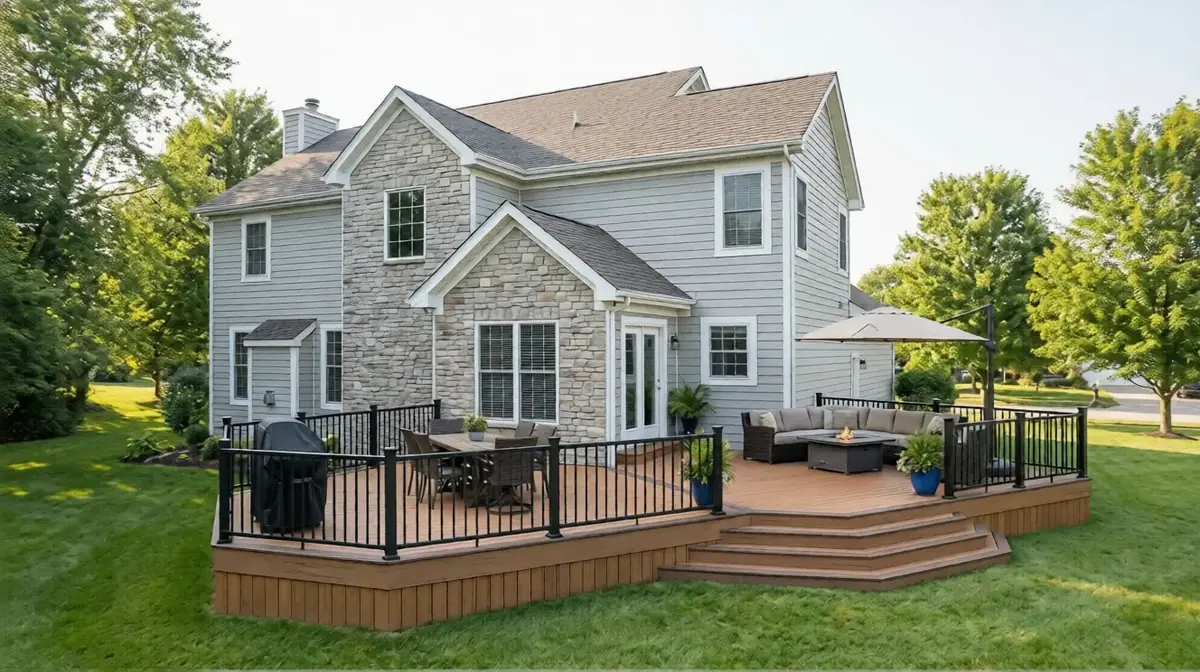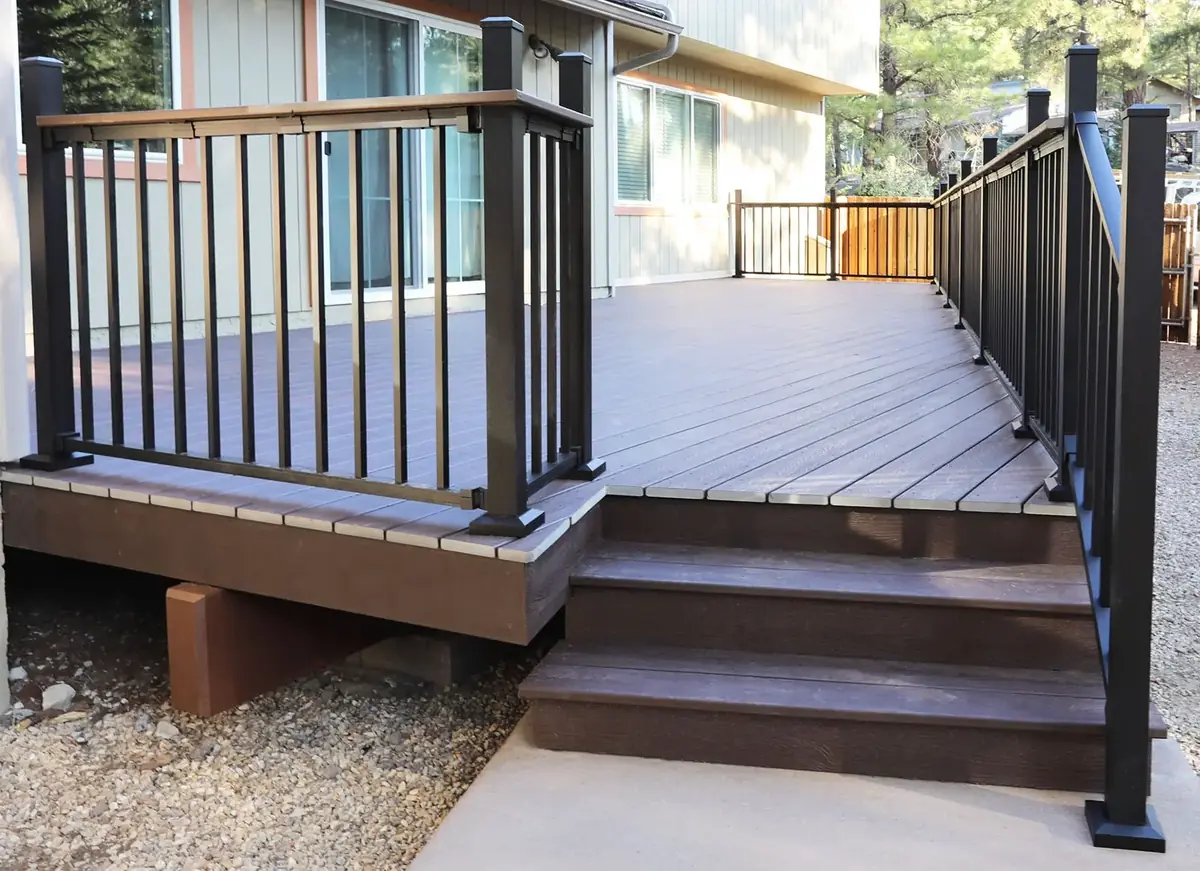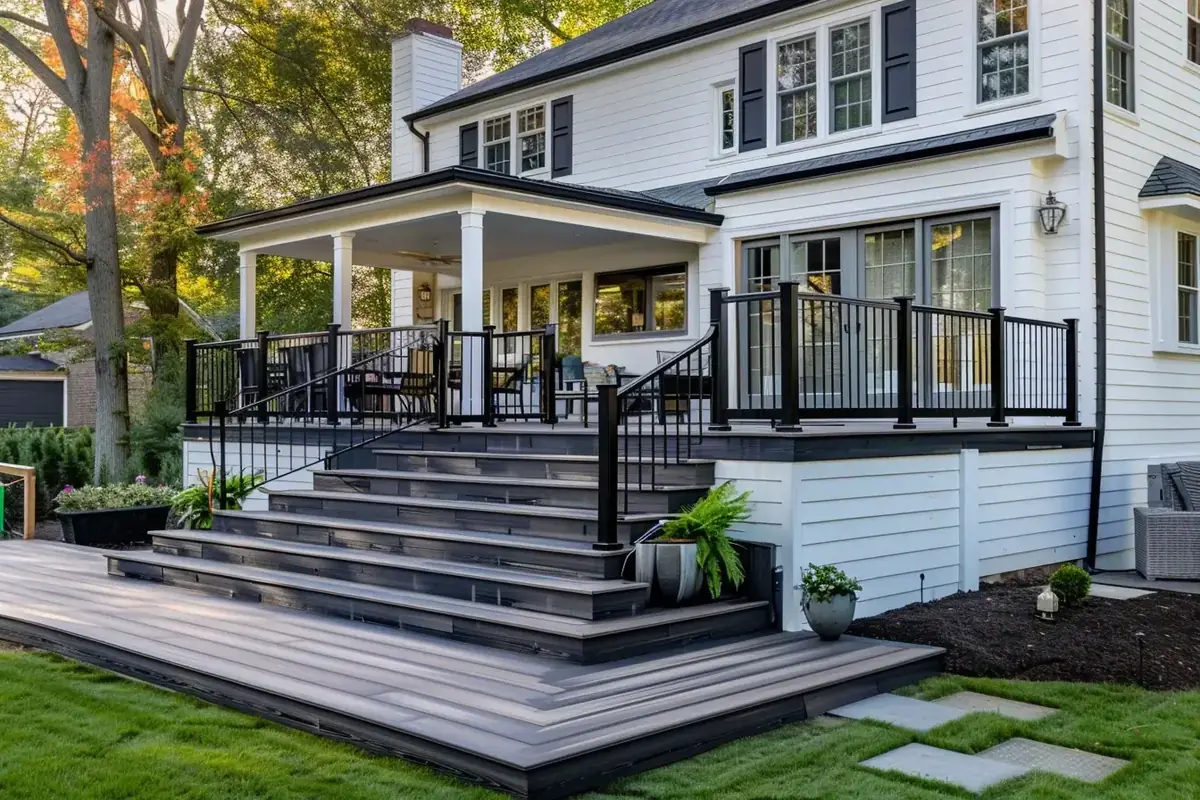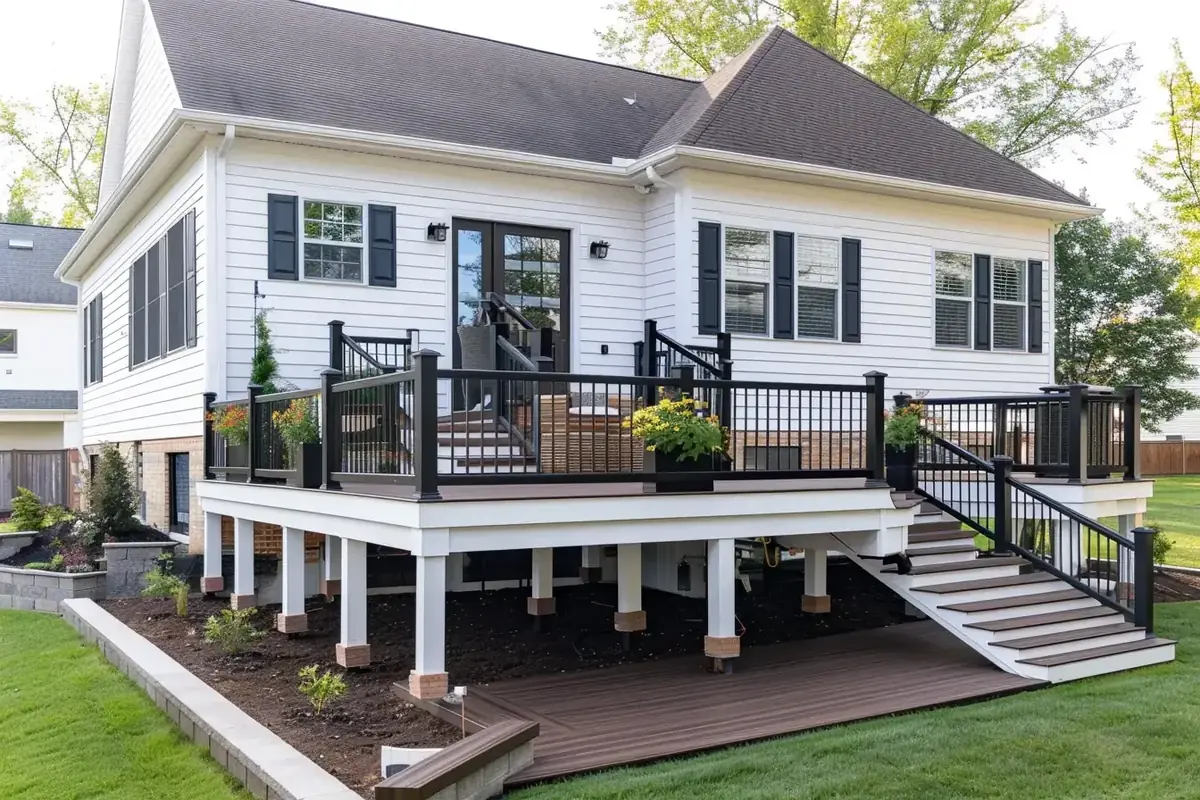
The visible problem may not be the real problem
If you are just starting to assess an existing deck, our after-summer Sacramento deck photo checklist shows what to record before comparing repair scopes.
One cracked board can usually be repaired. Repeated soft spots, movement at the house or deteriorated framing require a different conversation.
The decision between deck repair and replacement should be based on the load-carrying structure, not only the appearance of the walking surface. Decking, railing, stairs, joists, beams, posts, footings and the house connection work as one system.
Do not use a visibly unstable deck while waiting for an inspection. Keep people away from the affected area and avoid adding loads such as planters, grills or groups of guests.
1. Boards feel soft or crumble at fasteners
Surface checking and faded stain can be cosmetic. Wood that compresses under a screwdriver, flakes around screws or feels spongy after dry weather may indicate decay.
A few isolated boards may be replaceable. Similar damage across many boards—or damage that continues into joists—can make resurfacing poor value.
2. The deck moves away from the house
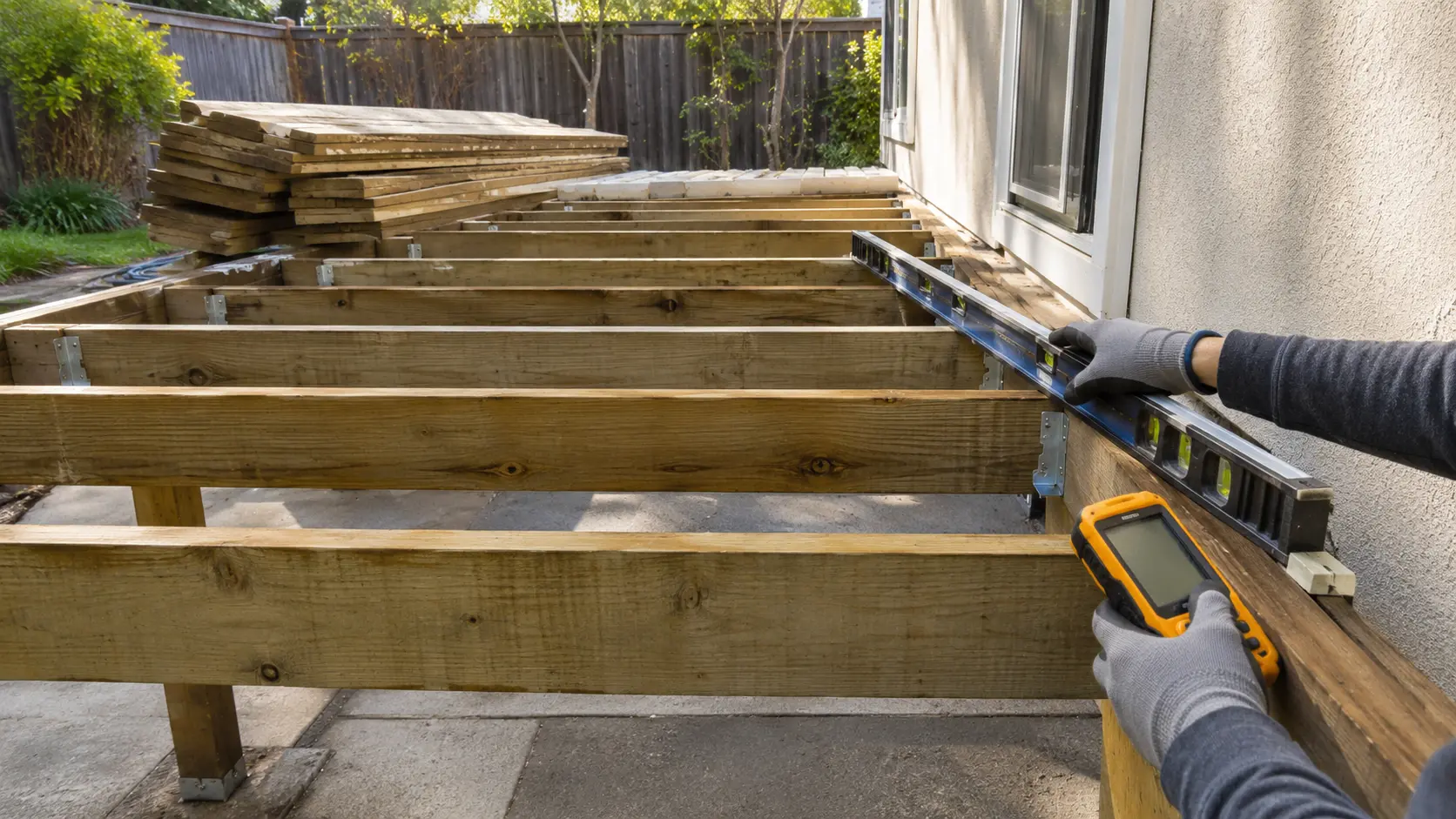
Movement, a widening gap or water staining at the house connection deserves prompt attention. An attached deck often relies on a ledger and properly detailed flashing.
Do not solve this by driving in random screws. The correct repair depends on the wall structure, fastener pattern, access and water damage. Sometimes the connection can be rebuilt; sometimes concealed deterioration changes the scope.
3. Railings wobble at more than one post
A single loose connection may be repairable. Movement across several guard posts can mean the rim, blocking or post connections no longer provide a reliable load path.
Railing work often exposes whether the perimeter framing is sound enough to keep. Replacing only the railing does not correct deteriorated framing below it.
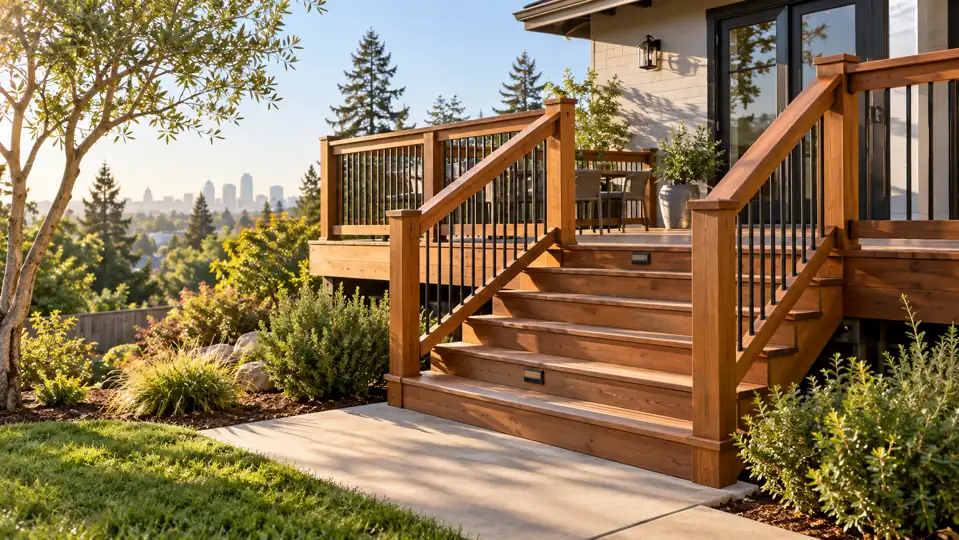
4. Stairs bounce, tilt or separate
Stair problems can involve stringers, landings, footings, tread fasteners or the connection to the deck. Look for:
- Cracked stringers
- Uneven risers or treads
- Movement at the top connection
- Rot near the bottom of the stringer
- A landing that has settled or washed out
- Guard or handrail movement
Because stairs concentrate movement and daily traffic, repeated repairs may be less sensible than rebuilding the stair assembly.
5. Posts are deteriorated near the ground
Damage often develops where posts meet soil, concrete or trapped debris. Probe only if it is safe to approach; cosmetic paint can hide soft wood.
One damaged post may be replaceable with engineered temporary support. Widespread post, beam or footing problems point toward structural rehabilitation or replacement.
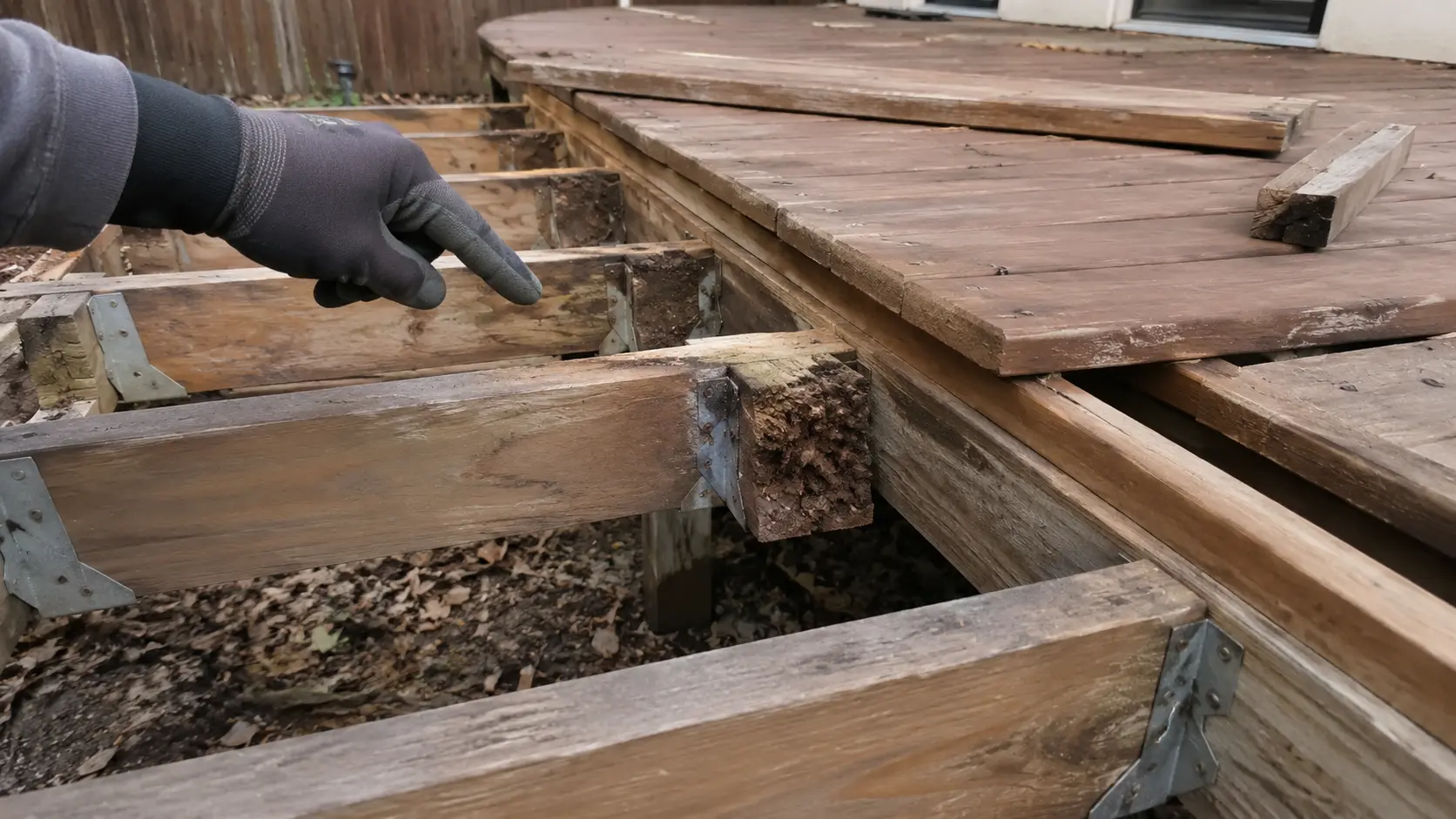
6. Joists show dark staining, splits or fastener corrosion
Inspect from below where accessible. Persistent dark areas below board gaps, splitting at joist ends, rusted connectors or fungal growth deserve closer evaluation.
Some joists can be repaired or sistered. If water has affected most joist tops, the beam or ledger, installing expensive new decking over them can lock in a short service life.
7. The surface has been patched repeatedly
Repairs accumulate. If several generations of boards, screws, coatings and railing patches are visible, the next repair may solve only the newest symptom.
Ask for two scopes:
- The minimum safe repair with a realistic expected life
- A replacement or structural rebuild with current design options
Comparing both helps avoid spending heavily on a structure that will require another major project soon.
8. The layout no longer works
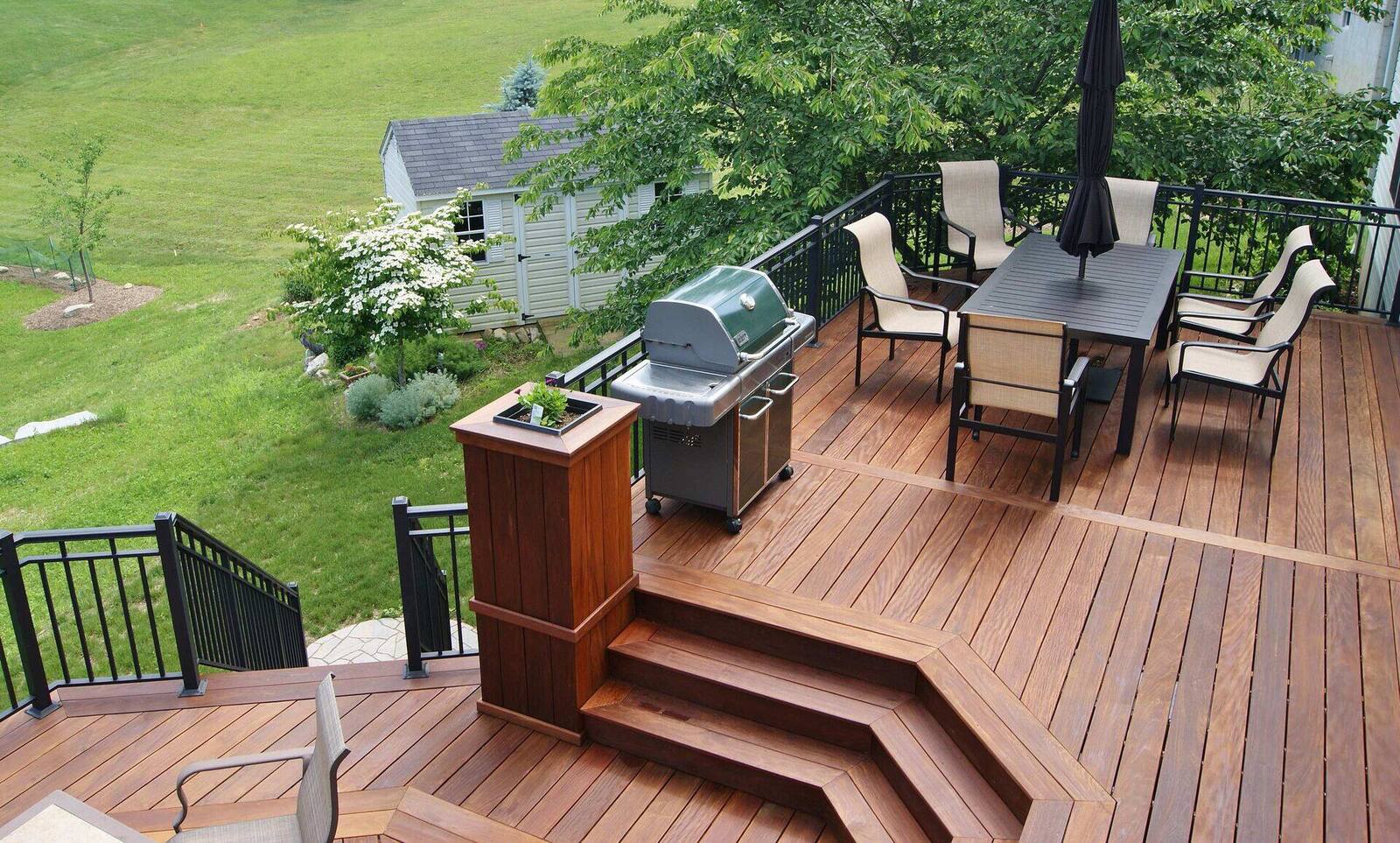
A structurally repairable deck can still be the wrong deck. Narrow stairs, an awkward door landing, undersized entertaining space or a railing that blocks the yard may justify replacement if the redesign creates meaningful value.
Layout changes can affect footings, framing and permits, so they should be evaluated before ordering finish materials.
9. You want composite, but the framing is not ready
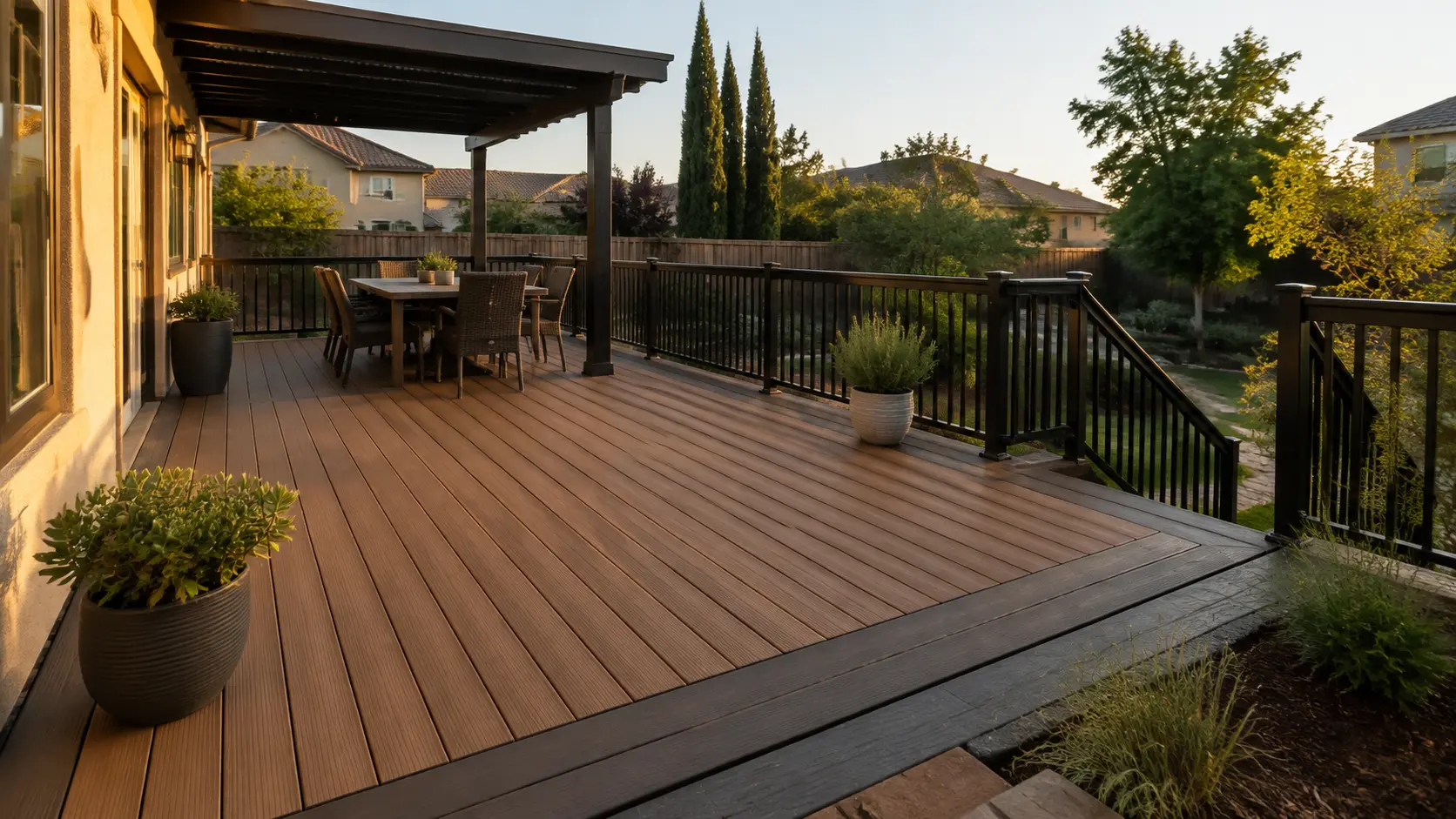
Replacing wood boards with composite is not automatically a board-for-board swap. The existing joist spacing, flatness, ventilation, flashing and blocking must meet the selected manufacturer’s instructions.
If many joists need correction, the cost difference between extensive rehabilitation and a new structure may narrow.
Repair, resurface or replace?
| Condition | Likely starting point |
|---|---|
| A few damaged boards; structure dry and stable | Localized repair |
| Sound frame; worn decking and railing | Resurfacing after structural inspection |
| Isolated framing damage with good access | Engineered structural repair plus resurfacing |
| Widespread decay, unstable ledger, failing posts or multiple systems affected | Full or substantial replacement |
| Structure is sound but layout is poor | Compare renovation with redesign |
This table is a conversation starter, not a remote diagnosis.
What a useful inspection should cover
A repair-versus-replacement assessment should document:
- Ledger, flashing and house connection
- Decking and fastener condition
- Joists, beams, posts and footings
- Connectors and corrosion
- Guards, handrails and stairs
- Drainage, soil contact and vegetation
- Joist spacing for the proposed new decking
- Access for safe repair work
- Whether the proposed scope requires permits or plan review
Photos of concealed conditions after demolition should become part of the project record.
Yellowstone Renovation provides deck repair and deck replacement or installation across Sacramento Metro. If you are unsure which scope makes sense, schedule an on-site assessment and we will separate safety items, optional upgrades and long-term choices.