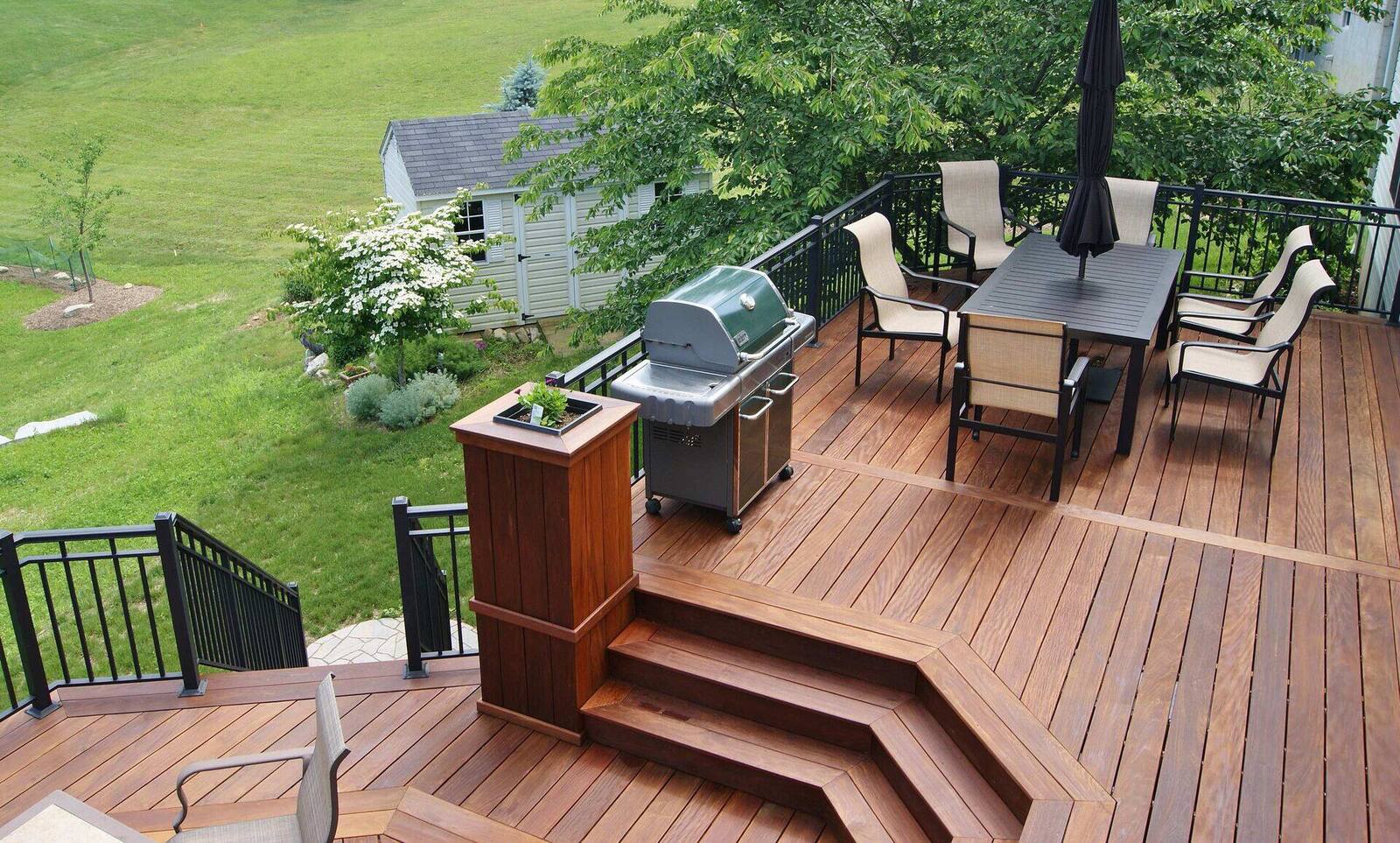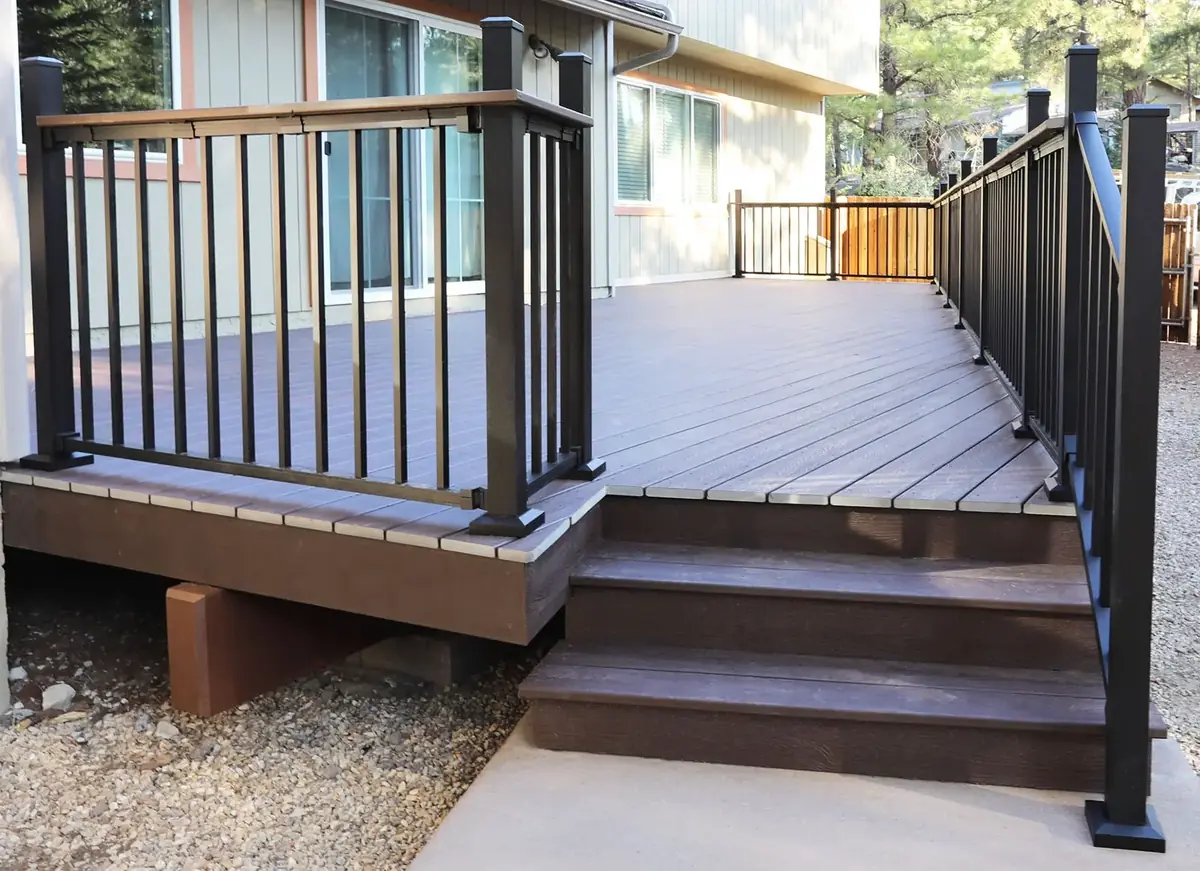
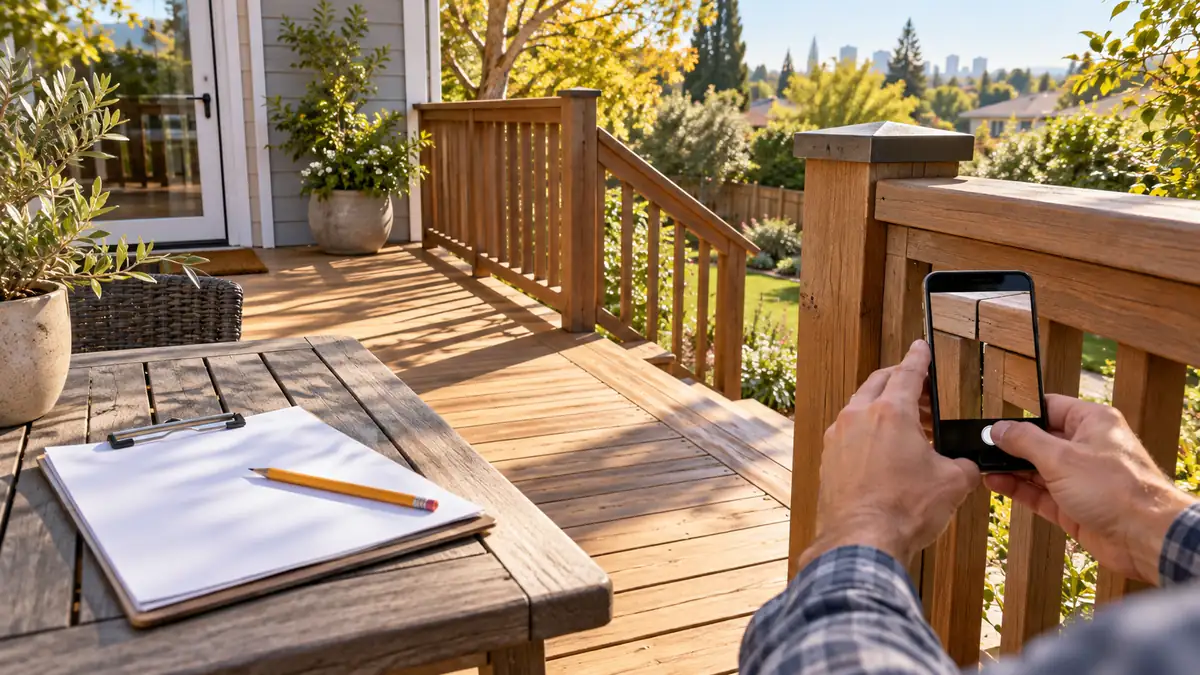
A useful after-summer deck inspection produces a short, dated record, not a guess about whether the whole deck needs replacing. Photograph the deck from all sides, then capture close-ups of changes in the boards, railings, stairs, supports, drainage and connection to the house. Note which areas move or stay damp and when you noticed them. If a railing, stair or support feels unstable, stop using that part of the deck and arrange a professional assessment.
Sacramento's long, sunny outdoor season can leave finishes faded and exposed details easy to overlook. A late-September walk-through is a practical moment to record conditions before wetter weather changes the picture. It is not a substitute for a structural inspection, and a photo cannot prove that concealed framing is sound.
Start with a simple photo map
Take one wide photo from the yard, one from each side, and one looking back toward the door. Give each problem a location, such as “north railing, second post from stairs.” Include a ruler or common object for scale only when you can do so safely. Keep the original files with their dates; avoid relying on a cropped image alone.
For each concern, write down three things: what changed, where it is, and whether it moves or remains wet. For example, “board end by the west stair has lifted since August; screw head is visible; no movement underfoot.” That is much more useful for a site visit than “deck is getting old.”
Do not climb below an elevated deck, pull off finishes, or press on suspect structural members just to get a better picture. Photograph accessible areas from a safe position and leave hidden connections to a qualified inspector.
Photograph the walking surface and edges
Begin at the doorway and follow the usual walking path to the stairs. Record raised board ends, splinters, unusually wide gaps, lifted fasteners and places where a board feels different underfoot. A faded finish alone is not the same finding as soft wood. For composite decking, also note edge movement, unusual gaps and any fastener or clip that appears loose; use the product's care instructions before choosing a cleaner or coating.
Get a close-up and a wider context shot of each issue. The wider shot shows whether a problem is isolated or repeated along several boards. Move portable planters or mats only if it is safe, and record staining or trapped debris beneath them. Do not conceal a soft spot with furniture while waiting for repair.
If the deck looks worn but feels stable, read our repair-versus-replacement guide before deciding that new boards are the answer. A resurfacing decision also depends on the framing beneath the boards.
Record movement at railings and stairs
From a safe standing position, note any railing that rocks during ordinary use, visible separation at a post, or a cap that has come loose. Avoid repeatedly loading it to “test” how much it can take. Photograph the post, its connection to the deck edge, and the surrounding boards.
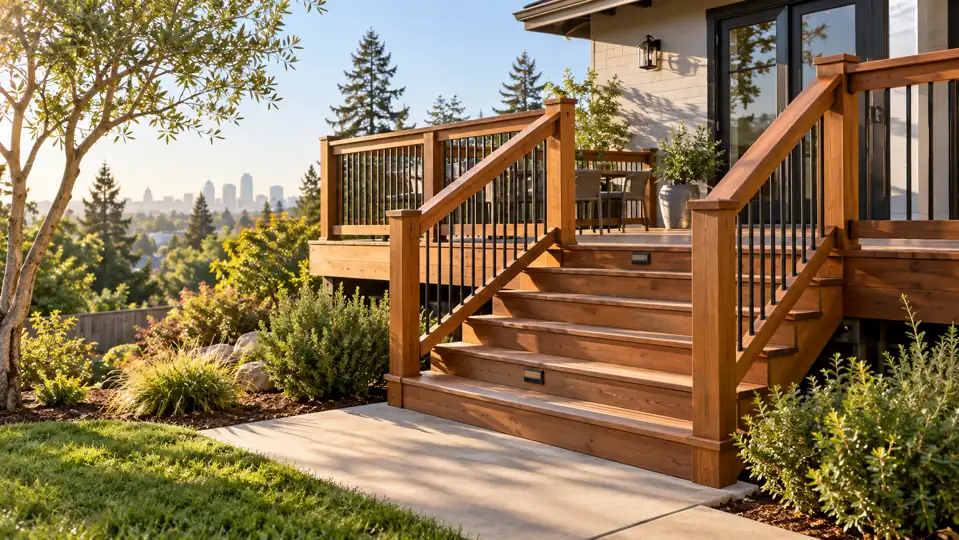
For stairs, capture the full flight from the side and the top and bottom connections. Write down any tread that shifts, handrail movement, uneven landing, or visible split in a stringer. Stair problems can involve several parts at once, so a photo of only the top tread may miss the source. Our Sacramento deck-stair planning article explains the connections to review when a stair assembly needs work.
Keep people off a deck or stair with significant movement, a visibly separating house connection, or a suspect support. A repair estimate should start with a safety assessment, not a finish selection.
Capture the house connection without disturbing it
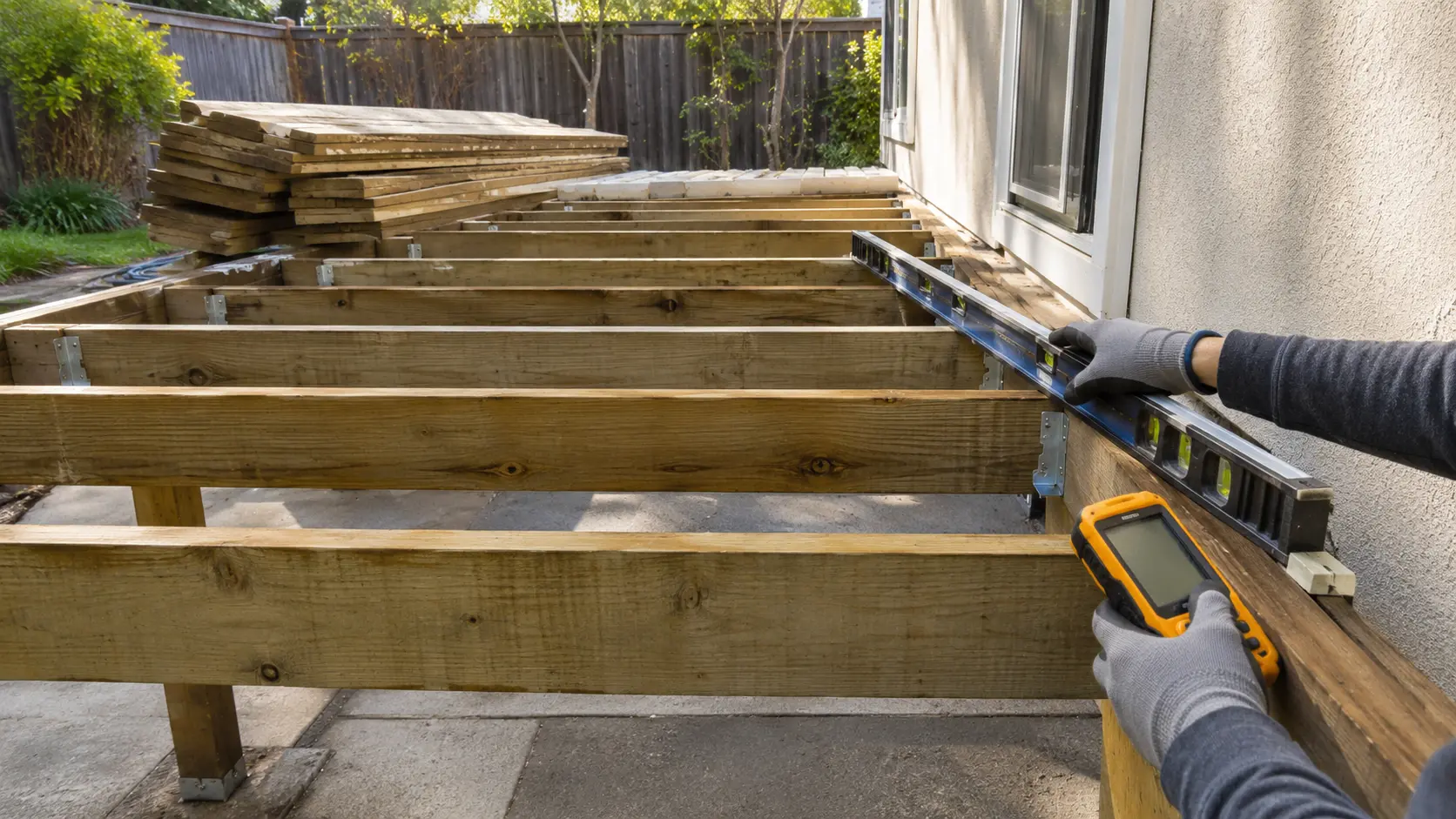
For an attached deck, photograph the line where deck meets wall, the area below the patio door, and any visible flashing. Record staining, gaps that seem to have grown, damp siding or water marks beneath the ledger. Do not assume a visible strip of metal proves that the flashing is correctly integrated behind the cladding. The American Wood Council's deck construction guidance treats ledger attachment and flashing as critical details; existing assemblies need to be evaluated in context.
If the deck is freestanding, document the gap between deck and house and any movement at adjacent thresholds. In either case, keep irrigation and downspouts in the photo set when they discharge near the structure. Water patterns are easier to discuss when the source and affected area appear in the same sequence of photos.
Look below only where access is safe
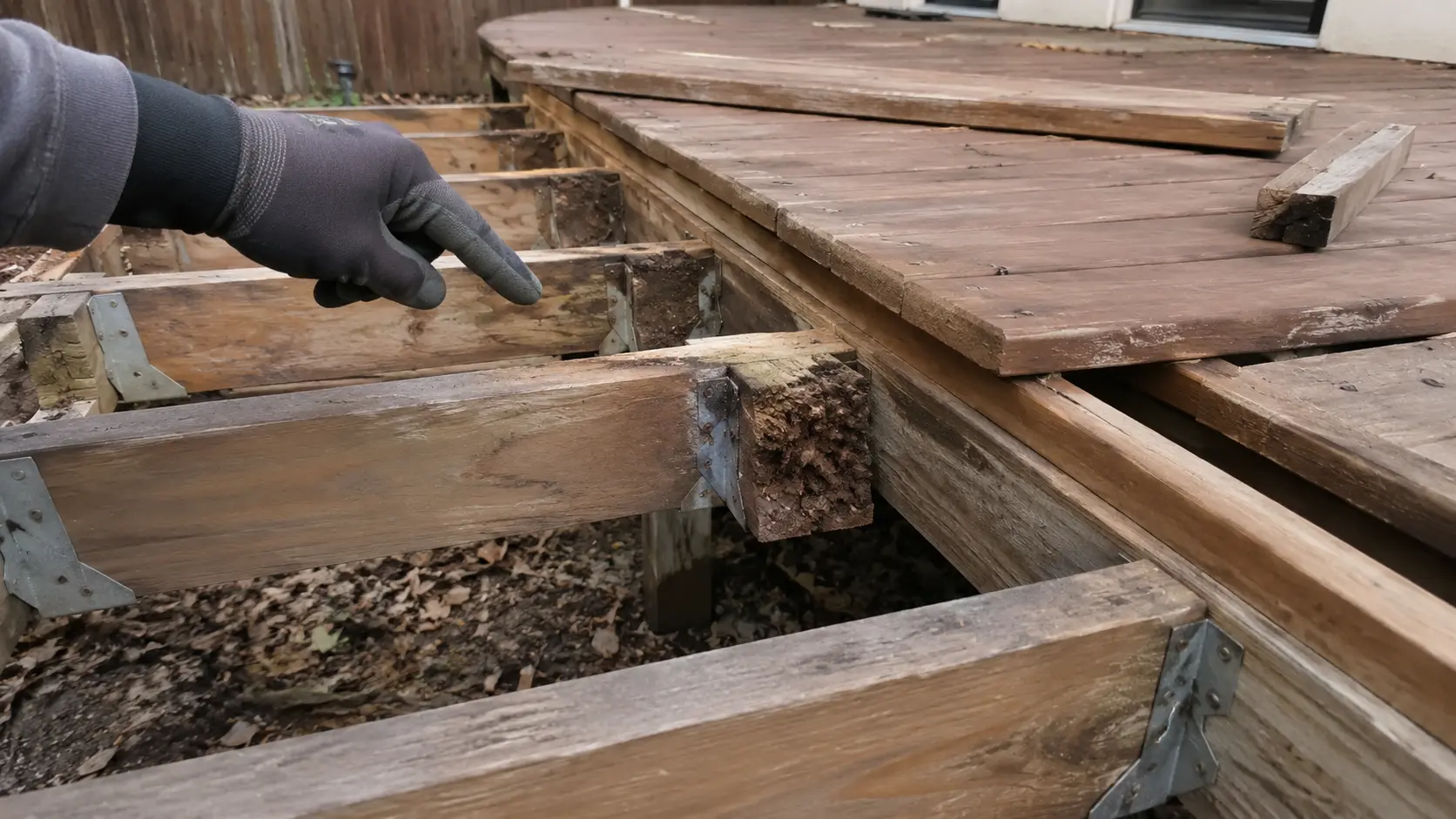
If the underside is accessible from level ground, take wide and close photos of joists, beams, posts, metal connectors and post bases. Note rust, persistent dark staining, split wood, tilted members, soil contact or water collecting near a footing. A dark mark is a reason to investigate, not proof of decay. Conversely, sound-looking paint or decking does not establish that the framing is safe.
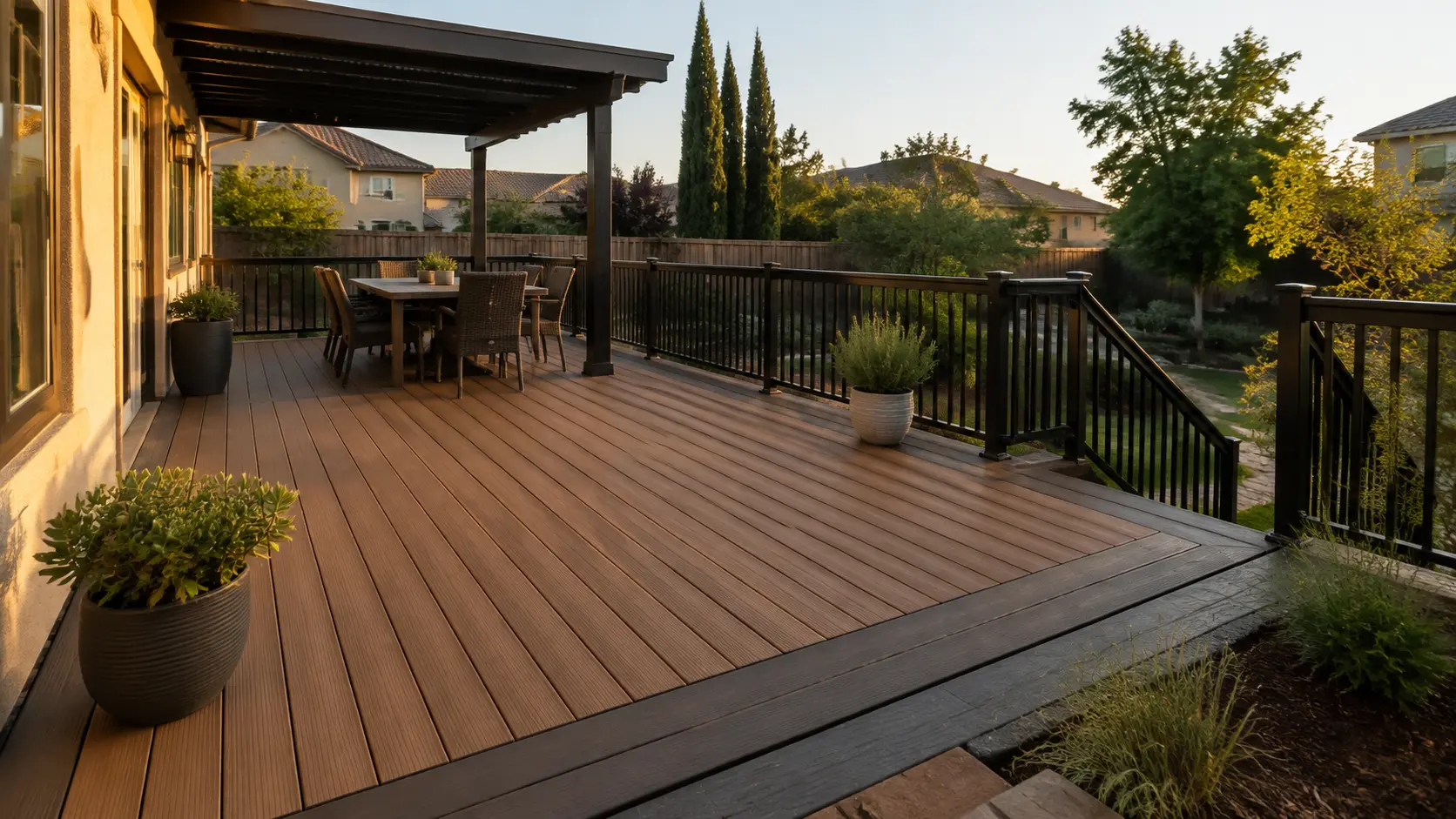
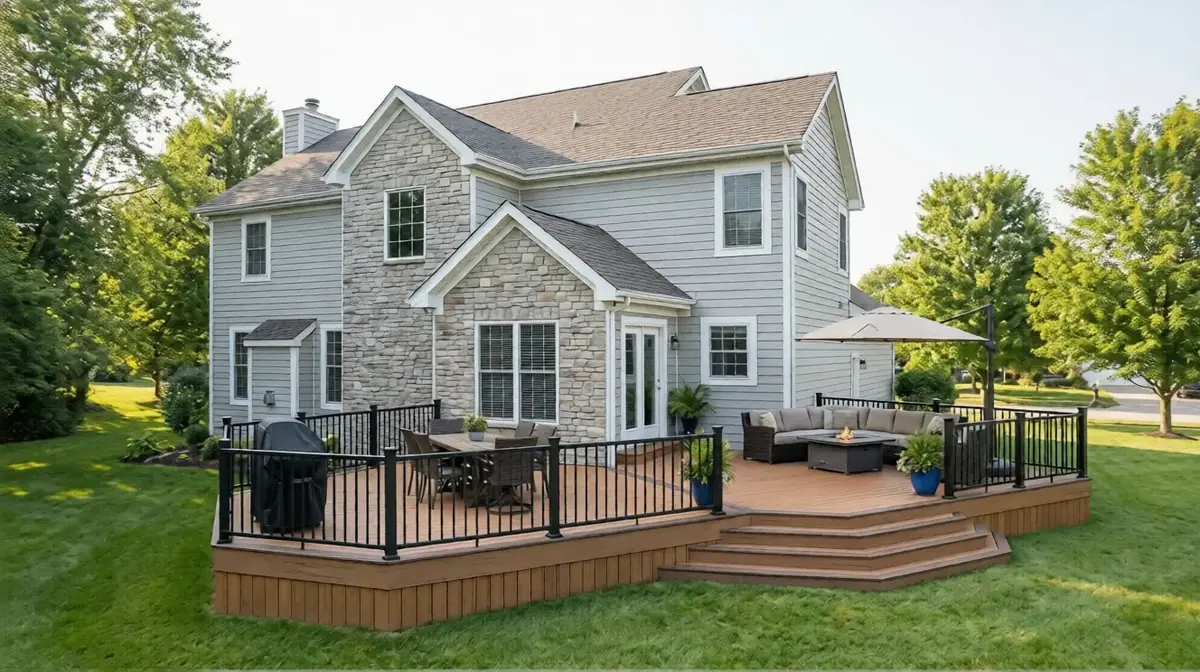
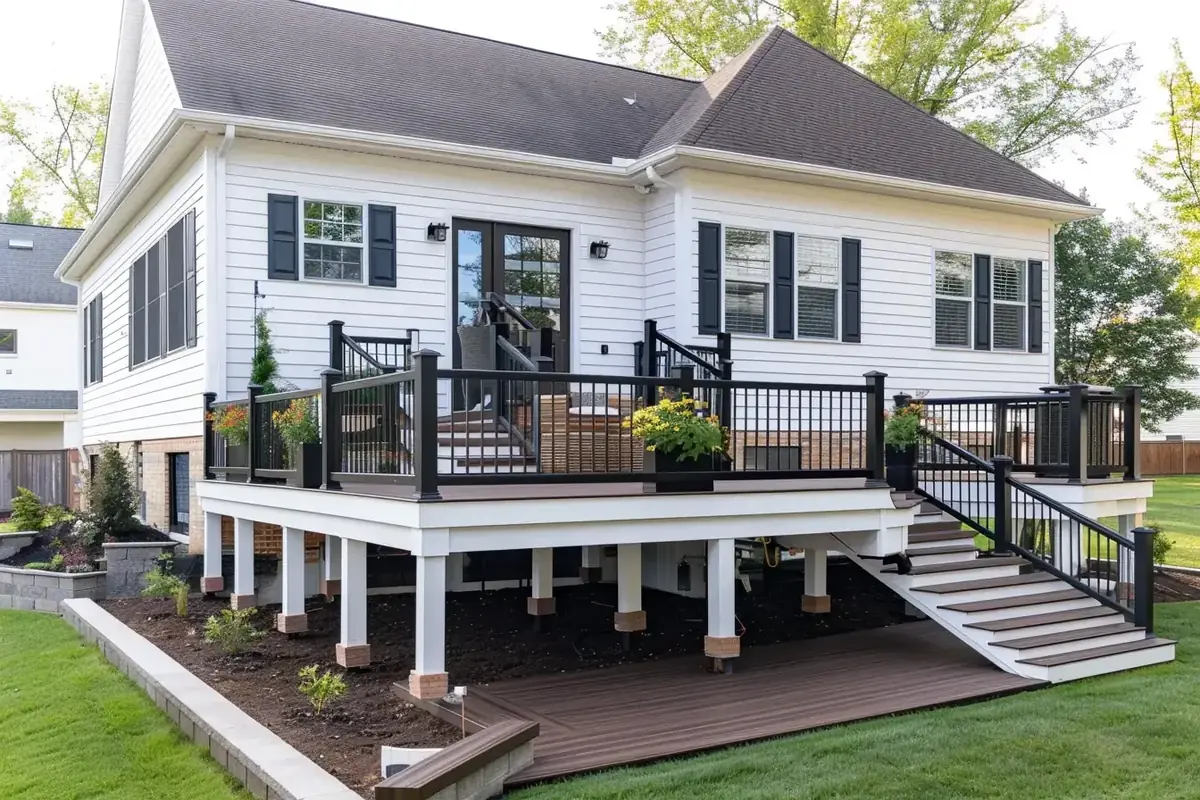
Keep a record of where irrigation spray lands, where leaves collect and whether water drains away from the house. These details can help distinguish an isolated surface issue from a moisture path affecting the structure. The Sacramento composite deck project shows an actual local project; the image accompanying this guide is an editorial illustration, not a photo of that job.
Turn the notes into a repair conversation
Send a contractor a compact set of labeled photos rather than dozens of unexplained images. Include the deck's approximate age if known, material if known, past repair records, and what prompted the inspection. Do not guess at permit history or promise that the existing frame can be reused.
Ask for findings in three groups:
- Immediate safety concerns: areas to keep out of service until assessed or repaired.
- Water and connection issues: flashing, drainage, fasteners or supports that need closer inspection.
- Finish and comfort issues: cleaning, coating, board replacement or layout improvements that can be planned after structure is understood.
If resurfacing is proposed, ask what must be opened up to evaluate hidden framing and what happens if deterioration appears. For work at a specific Sacramento address, confirm permit and inspection requirements with the authority having jurisdiction rather than assuming a rule based on the deck's appearance. The City of Sacramento inspection information is a starting point for city addresses; other jurisdictions have their own processes.
What if I only see discoloration?
Photograph it, note whether it remains after cleaning or dry weather, and check whether the material feels firm during normal use. Discoloration by itself does not identify its cause. A professional can decide whether further investigation is warranted.
Should I pressure-wash before taking photos?
No. Document the as-found condition first, including drainage and staining. Follow the decking manufacturer's cleaning guidance afterward; aggressive washing can damage some surfaces and remove clues about where water collects.
Yellowstone Renovation can review your notes and inspect the deck on site before recommending a scope. Explore our Sacramento deck repair service, Sacramento city deck page and deck-building options, or request a visit with your photos ready.