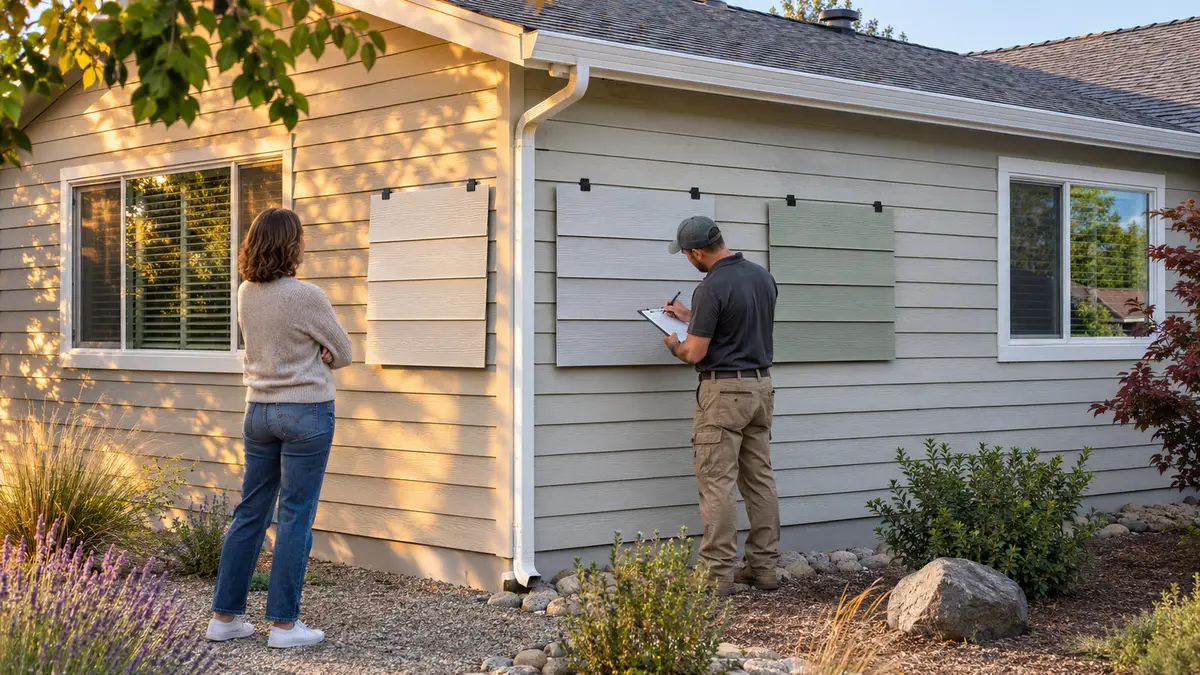
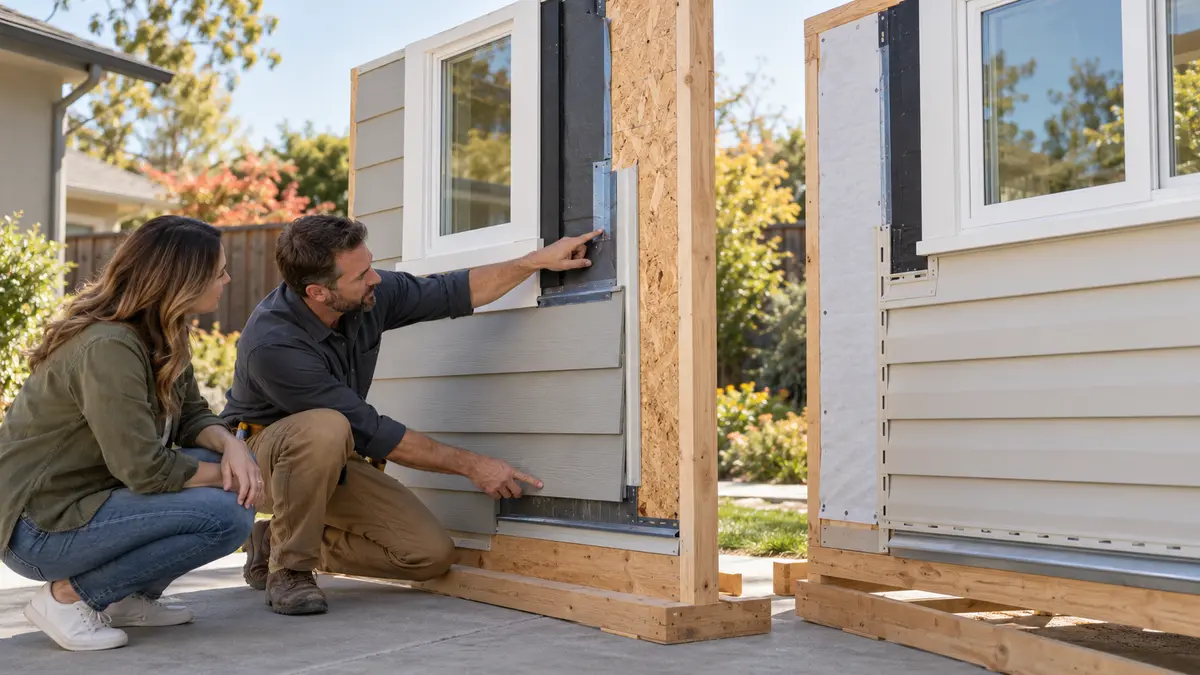
Fiber-cement and vinyl siding can both work on a Sacramento home, but they do not create the same wall assembly. Fiber cement is a rigid, finished cladding that depends on product-specific fastening, clearances, flashing and finish care. Vinyl is a flexible interlocking system that must be hung so every panel can expand and contract. The better choice is the system whose installation, details and maintenance plan fit the house—not simply the material with the strongest marketing claim.
This guide replaces our older lifespan comparison. We removed generalized service-life, repaint-cycle and resale claims because those outcomes depend on the exact product, finish, exposure, installation and maintenance history.
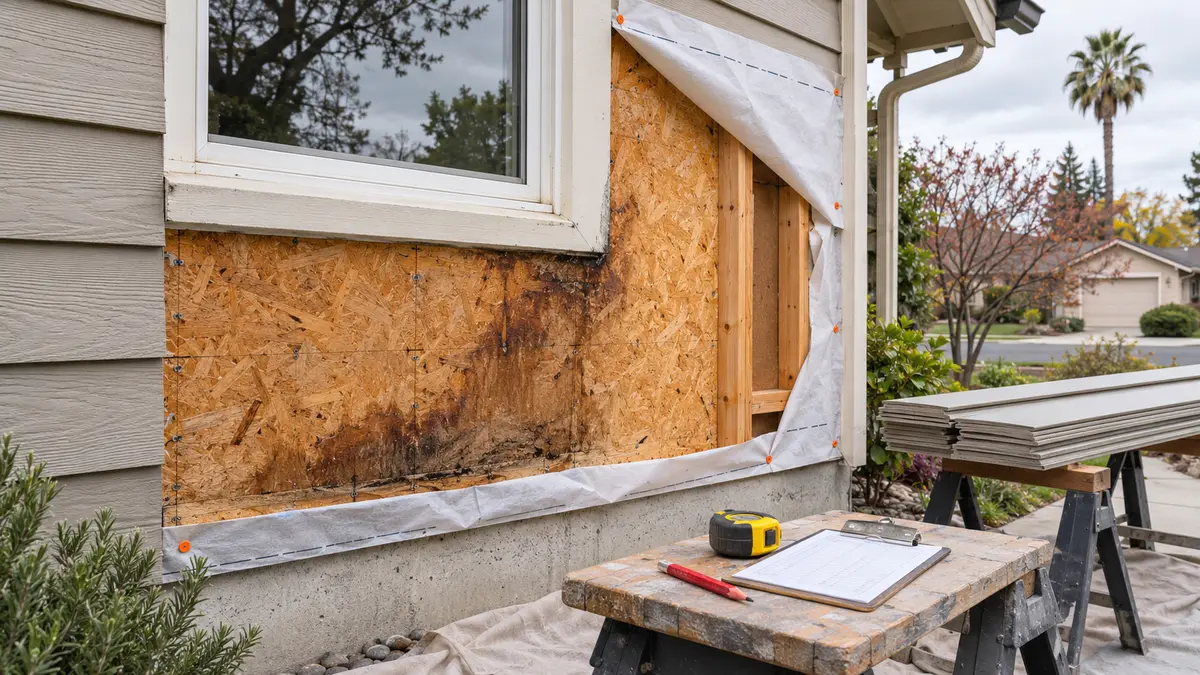
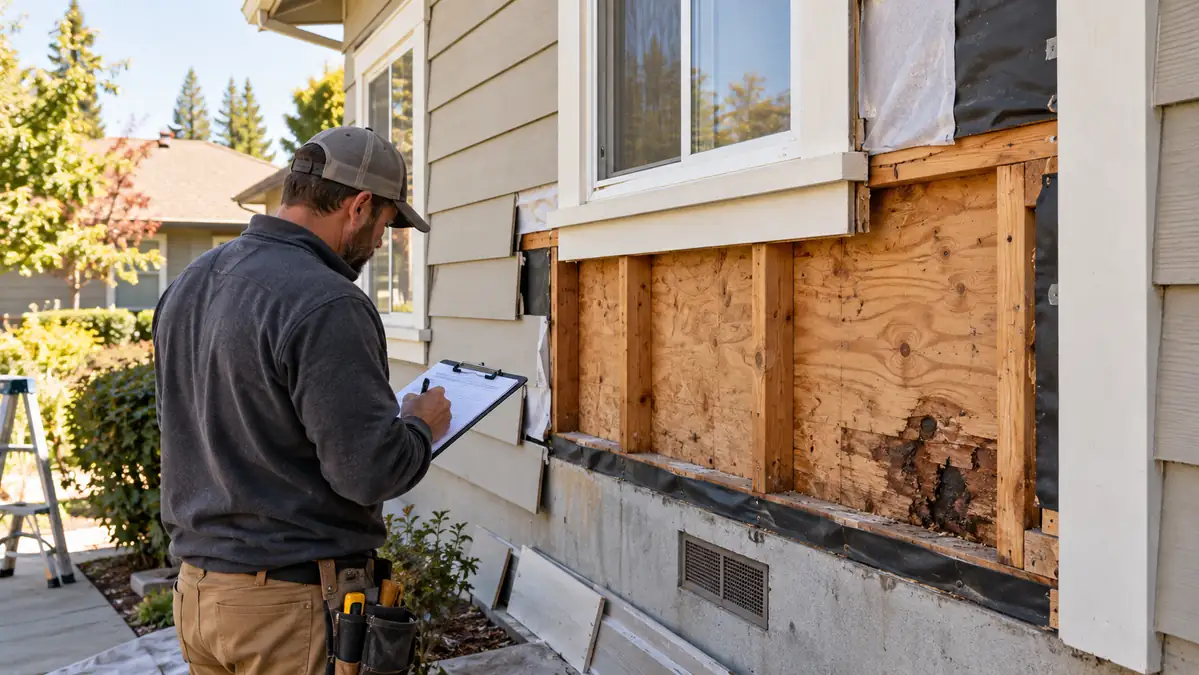
Start with the wall behind the siding
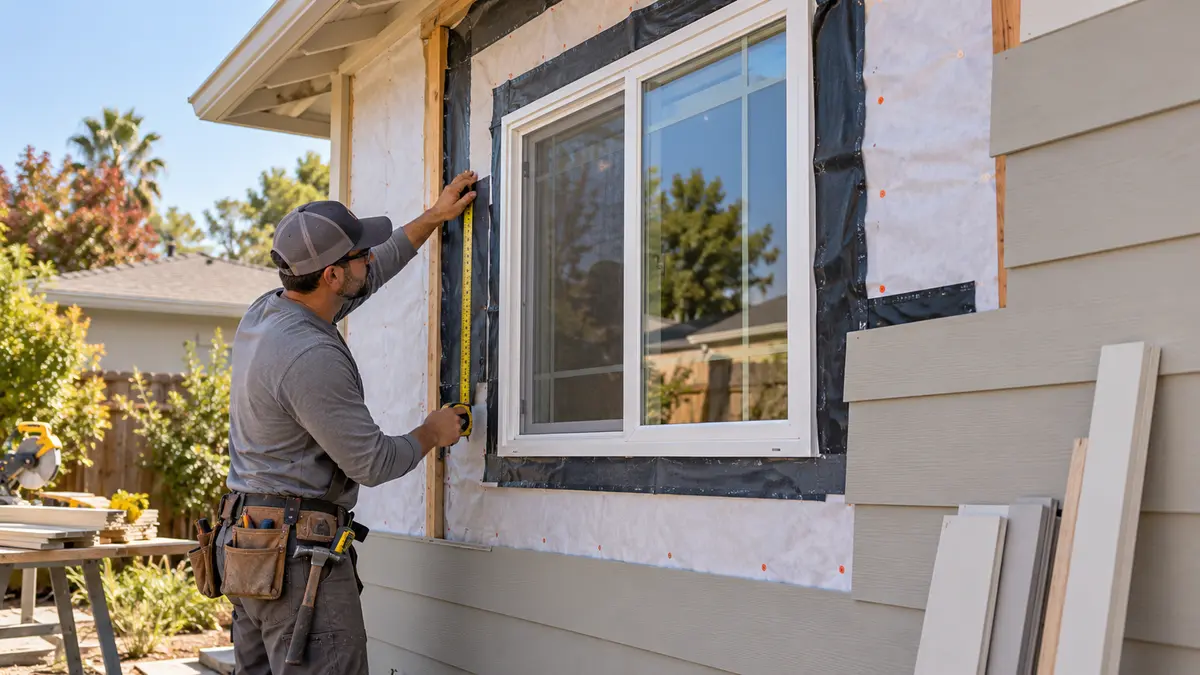
Neither cladding should be treated as the home's only water-control layer. A complete replacement scope should address:
- Existing siding removal and disposal
- Sheathing inspection and repair procedure
- A continuous water-resistive barrier (WRB) or approved drainage-plane assembly
- Window, door and wall-penetration flashing
- Roof-to-wall, deck-ledger and foundation transitions
- Manufacturer-approved fasteners and attachment surface
- Trim, starter pieces, mounting blocks and sealant joints
- Required clearances and drainage paths
Our California house-wrap guide explains why the WRB, flashing and openings must drain together. Changing the visible cladding without defining these concealed layers makes two estimates difficult to compare.
Fiber-cement siding is a rigid cladding system
Fiber-cement lap boards do not install or move like vinyl panels. The selected product's current instructions control the fastening pattern, permitted substrates, joint treatment, flashing and clearances. James Hardie, for example, publishes region- and product-specific technical documents and tells installers to use the correct instructions for the product and climate zone.
That distinction matters at:
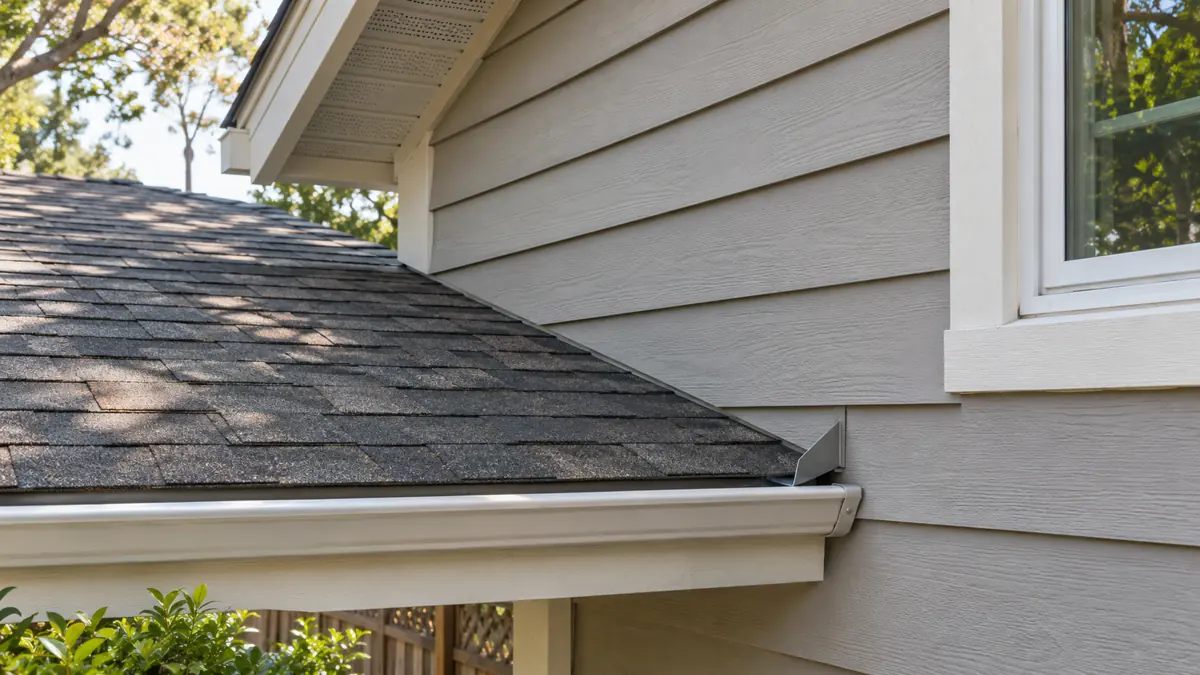
- Grade, paving, decks and roof surfaces
- Horizontal flashing and Z-flashing locations
- Window and door head details
- Butt joints and trim transitions
- Hose bibs, lights, vents and utility penetrations
- Field-cut edges and damaged factory finish
A proposal should identify whether the product is factory finished or field painted. Those are different maintenance paths. It should also state who handles exposed cut edges, small installation touch-ups and larger damaged areas according to the finish manufacturer's instructions.
What to inspect during installation
Before the wall is covered, verify that damaged sheathing has been resolved and the WRB laps drain outward. After the first courses are installed, check that the planned clearances remain visible and that flashings have not been buried by trim or sealant.
Do not judge fiber cement only by straight courses. A wall can look clean while still having poor window integration or insufficient clearance at paving and roof intersections.
Vinyl siding is designed to move
Vinyl panels lock together and hang from slotted nail hems. They should not be pinned tightly to the wall. The Polymeric Exterior Products Association's current installation guidance says panels must move freely side to side, fasteners should be centered in the slots and fastener heads should not be driven tight against the nail hem.
This affects nearly every visible detail:
- Starter strip alignment
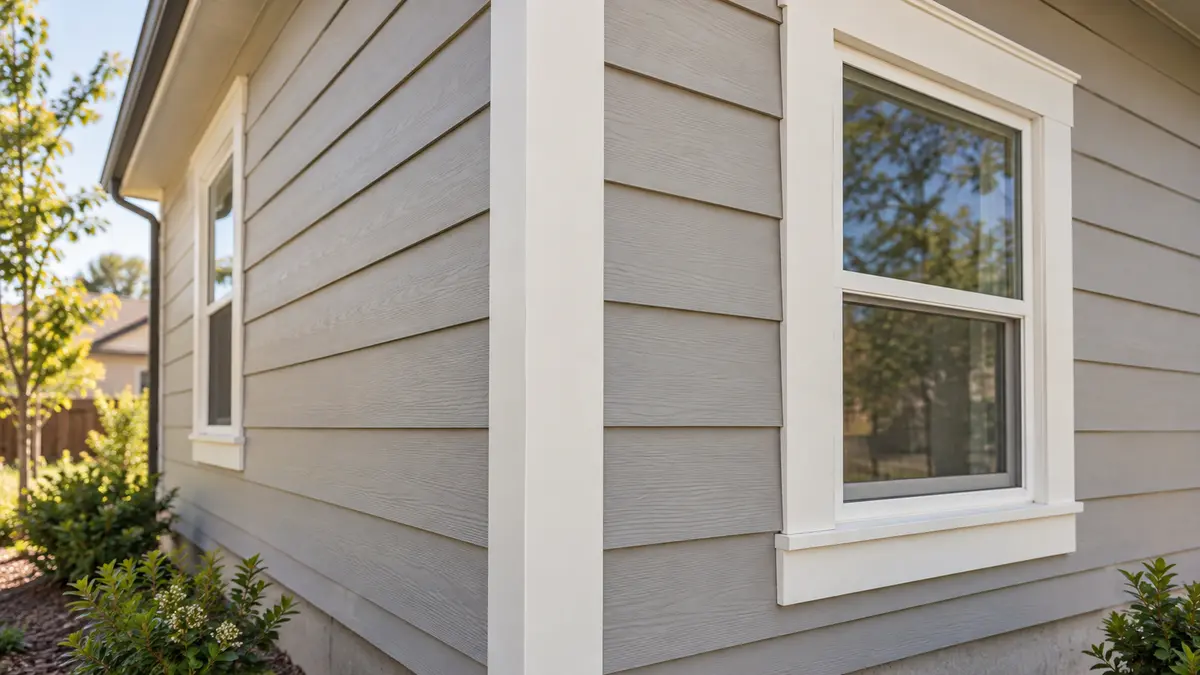
- Corner posts and receiving channels
- J-channel at windows, doors and eaves
- Panel overlaps and seam placement
- Utility trim at the last course
- Blocks for lights, outlets, faucets and vents
If panels are stretched, tightly fastened or crowded into channels, temperature movement can show up as waves or buckling. Conversely, a panel that feels slightly movable is not automatically loose or defective; movement is part of the installation method.
What to inspect during installation
Ask the installer to demonstrate that a newly fastened panel can move laterally before the next course hides the nail hem. Check that fasteners are straight, positioned in the slots and attached to the specified nailable surface. At accessories, confirm that the panel has the manufacturer-required room to move.
The exact gap and fastener schedule belong in the current product instructions. Do not copy a dimension from another brand, profile or manual without confirming it applies.
Side-by-side assembly comparison
| Decision point | Fiber cement | Vinyl |
|---|---|---|
| How the cladding behaves | Rigid boards or panels | Interlocking panels designed to expand and contract |
| Fastening priority | Product-specific fastener, placement and substrate | Centered fasteners that hold the panel without restricting movement |
| Opening details | Flashing, trim, joint treatment and clearances | Flashing plus correctly sized receiving channels and accessories |
| Finish | Factory finish or field-applied coating | Integral manufactured color; normally not field painted as part of a new installation |
| Routine care | Inspect finish, joints, sealant interfaces and clearances; clean by product instructions | Periodic cleaning; inspect movement, locks, accessories and impact damage |
| Typical localized repair question | Can a matching board and finish be integrated without disturbing the drainage plane? | Can panels be unlocked and replaced without breaking aged material or mismatching color? |
This is not a scorecard. It shows why an estimate should name the exact product, profile and accessory system instead of listing only “fiber cement” or “vinyl.”
Maintenance is more than washing the face
Both materials need periodic observation even when marketed as low maintenance. At least once a year—and after work near the wall—walk the exterior and look for:
- Displaced panels or boards
- Open trim or penetration joints
- Cracked, missing or misdirected sealant
- Staining that suggests repeated water flow
- Sprinklers wetting the same area
- Soil, mulch or paving that has reduced required clearance
- Damage from ladders, grills, furniture or landscaping equipment
- Debris blocking drainage or weep paths
For vinyl, PEPA recommends periodic cleaning with mild soap and water from a garden hose. For fiber cement, cleaning and touch-up methods depend on the finish and product literature. Follow the manufacturer rather than using an aggressive pressure-washing or repainting routine by default.
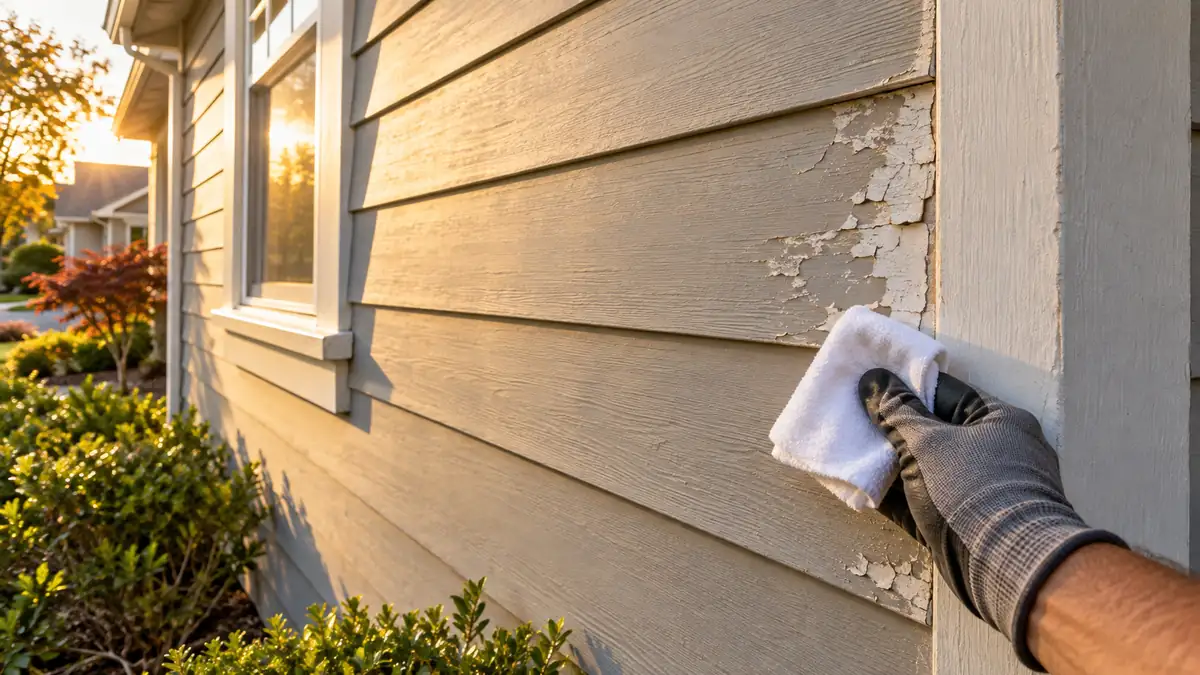
Our guide to siding fading versus paint failure can help separate a color concern from peeling, blistering or a moisture-related defect.
Think about future repairs before choosing
Ask whether the exact color and profile are regularly stocked and how replacement pieces will be stored. A repair years later may be structurally sound yet visually noticeable because weathering, product lines and dye lots change.
With fiber cement, confirm the plan for matching the finish and treating cut edges. With vinyl, ask how the installer will unlock adjacent courses and whether older panels can tolerate handling. In either system, the repair must preserve the WRB and flashing behind the cladding.
What a Sacramento siding estimate should identify
Use this checklist when comparing bids:
- Exact manufacturer, product line, profile and color or finish
- Full removal, selective removal or installation over an existing surface
- Sheathing inspection and written change-order process
- WRB and flashing scope at every opening and penetration
- Fastener type, attachment surface and installation standard
- Trim and accessory system
- Clearances at roofs, decks, paving, grade and landscaping
- Factory-finish touch-up or field-paint scope
- Cleanup, leftover material and repair-stock plan
- Permit and inspection responsibility for the actual address and scope
For a deeper line-by-line review, use our Sacramento siding estimate guide.
Frequently asked questions
Is vinyl siding maintenance-free?
No exterior cladding is inspection-free. Vinyl normally does not require a paint cycle, but it still needs periodic cleaning and checks for movement, unlocked panels, impact damage and failed details around openings.
Does fiber cement always require repainting?
It depends on the finish. Factory-finished and field-painted products have different instructions and warranty terms. Identify the exact finish in the proposal and follow its current maintenance literature instead of assuming a universal schedule.
Which material is better for Sacramento heat?
Material alone does not answer that question. Exact product, color, wall exposure, fastening, clearance and nearby heat sources all matter. Compare product documentation and inspect sun-exposed elevations before choosing.
Can new siding fix a leaking window?
New cladding alone is not a window-flashing repair. The estimate should show how the window, WRB, head flashing, sill path and trim will be integrated before the wall is closed.
Compare complete siding systems
Yellowstone Renovation can inspect the existing wall, compare exact products and build a scope around the drainage plane, openings, trim and long-term care. Review our Sacramento siding services, fiber-cement siding and vinyl siding pages. You can also see related work categories in the Project Showcase and our service area in Sacramento, California.
Request an on-site siding estimate to compare the full assemblies—not only the sample boards.