Siding is not the only layer keeping water out
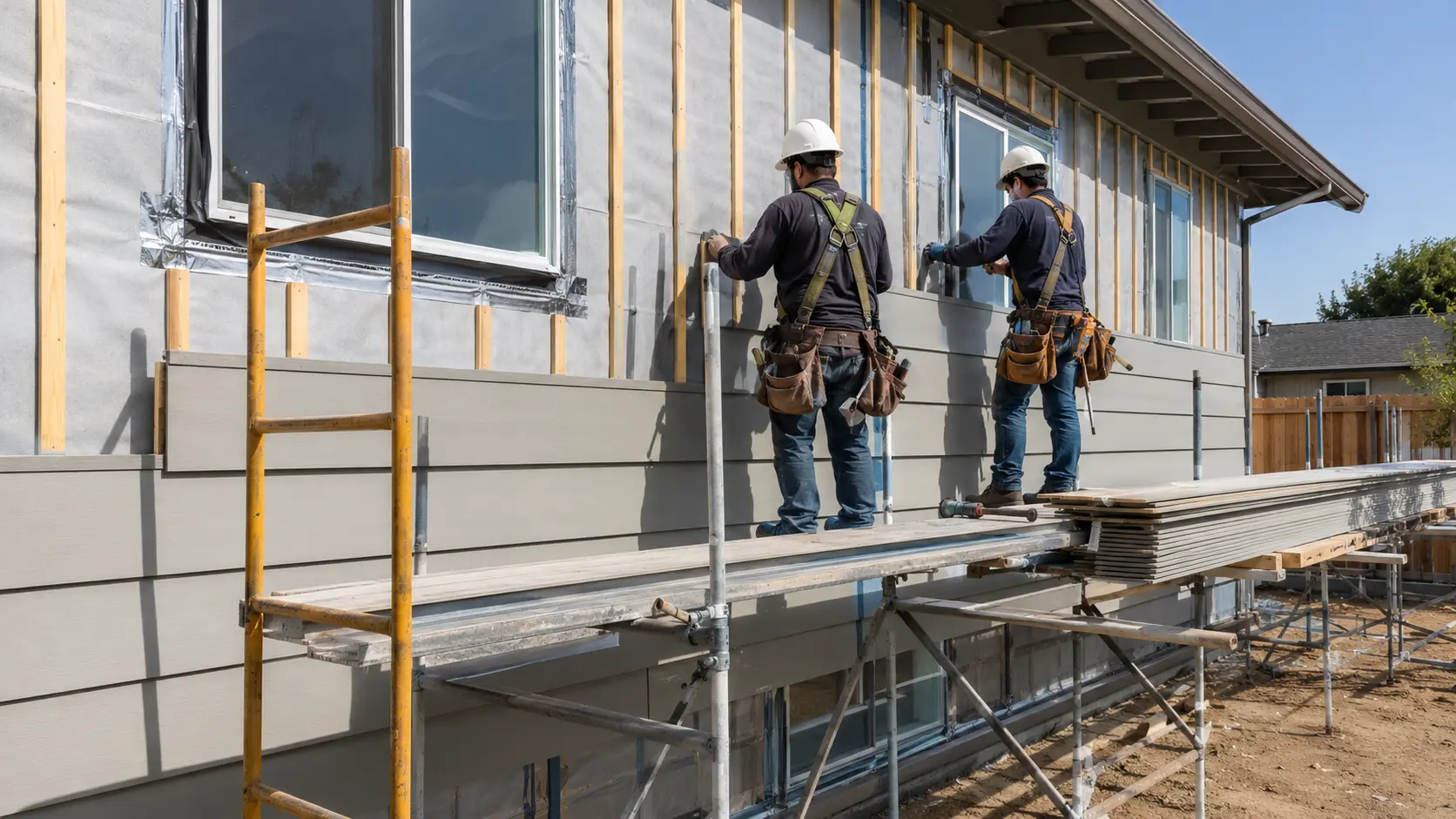
Most exterior wall systems manage rain with several layers. The siding sheds the majority of water, while flashing and a water-resistive barrier (WRB)—often called house wrap—direct incidental water back outside.
Whether a project uses a specific wrap, building paper, integrated sheathing or another approved system depends on the wall, product, code path and local requirements. The key is not the brand name “house wrap.” The key is a continuous, correctly integrated drainage plane.
What the water-resistive barrier does
A WRB is intended to help:
- Resist water that passes behind siding
- Direct that water toward the exterior
- Integrate with window, door and penetration flashing
- Reduce uncontrolled air movement when detailed as part of an air barrier
- Protect sheathing during the completed assembly's service life
It does not fix roof leaks, plumbing leaks, missing kick-out flashing or ground moisture by itself.
When existing siding is removed
Removing old siding is an opportunity to inspect conditions that were previously concealed:
- Torn or missing building paper
- Poorly lapped layers
- Window and door flashing gaps
- Soft or swollen sheathing
- Insect damage
- Unsealed penetrations
- Deck-ledger and roof-to-wall transitions
A responsible proposal should explain what inspection is included and how concealed damage will be priced if found.
Can the old house wrap stay?
Sometimes portions of an existing WRB may be serviceable. Other times it is too damaged, brittle, poorly integrated or inaccessible to rely on.
Questions to ask:
- Can the existing layer be positively identified?
- Is it continuous across the wall?
- Are laps oriented to drain outward?
- Can it integrate with new window and door flashing?
- Is it damaged by prior fasteners or demolition?
- Does the new siding manufacturer allow the proposed assembly?
- Does the jurisdiction require an update for the project scope?
Do not assume that adding a second layer automatically improves performance. Multiple layers must still drain and connect correctly.
The window connection is critical
Many leaks blamed on siding begin around openings. The WRB and window flashing should work together so water is directed over lower layers, not behind them.
A siding quote should identify how the contractor will handle:
- Head flashing or drip caps
- Side and sill flashing
- Existing retrofit-window frames
- Exterior trim
- Sealant joints
- Weep and drainage paths
If windows will be replaced soon, coordinate the sequence before installing new siding.
What about rainscreen gaps?
A rainscreen creates a drainage and ventilation space behind the cladding. Some wall assemblies or products benefit from furring or drainage mats, while others use a direct-applied approach over an approved WRB.
The decision depends on the siding system, wall design, exposure, wildfire considerations, insect details and manufacturer instructions. It should be specified—not improvised after demolition.
Penetrations need more than caulk
Hose bibs, electrical boxes, vents, lights, pipes and mounting blocks interrupt the wall. Sealant is a maintenance joint, not a substitute for proper flashing and mounting details.
During replacement, each penetration should be documented and integrated with the water-management layer before the new siding covers it.
Does siding replacement require a permit in Sacramento?
The City of Sacramento currently includes siding among work listed in its required building permit guidance. The exact requirement depends on the address and scope, and neighboring jurisdictions may use different processes.
Confirm permit responsibility, inspections and required energy or wall upgrades before ordering material.
What should be in the siding proposal?
- Demolition and disposal extent
- Existing-wall inspection
- WRB product or approved assembly
- Window, door and penetration integration
- Flashing replacement or reuse
- Sheathing repair allowance or change-order method
- Rainscreen or furring, if used
- Siding-specific clearances and fastening
- Trim, caulk and finish
- Permit and inspection responsibility
- Photo documentation before the wall is covered
The best question to ask
Instead of asking only, “Are you installing house wrap?” ask:
How will the wall drain water from the roof and openings all the way to the exterior, and what will I be able to verify before the siding covers it?
That question connects the wrap, flashing, openings, penetrations and siding into one system.
Yellowstone Renovation provides siding replacement, James Hardie installation and exterior coordination across Sacramento Metro. Request an on-site estimate to review the existing wall and project scope.
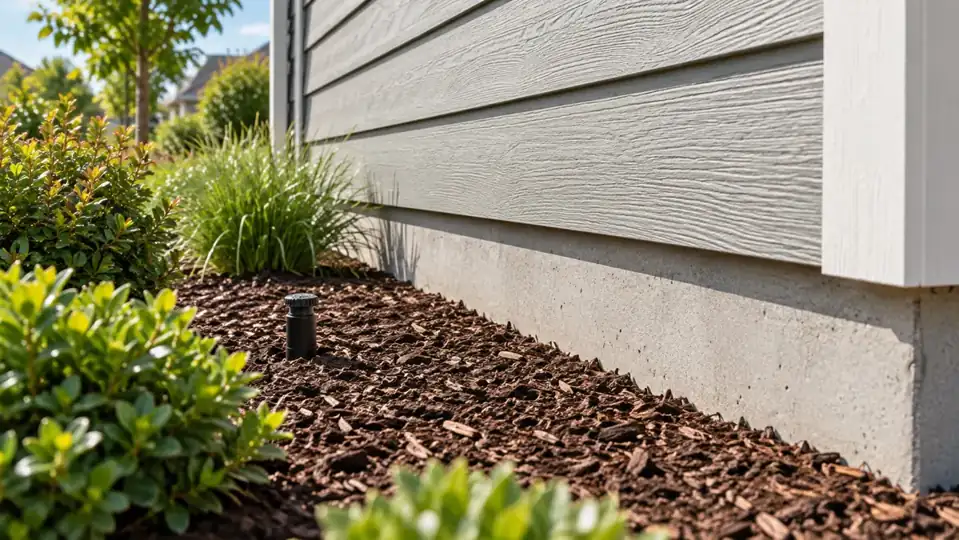
Before closing the wall, review sprinkler exposure and siding clearances in Sacramento.