Fading changes color while the coating remains attached. Paint failure changes the coating itself: it may leave powder on a cloth, crack, peel, blister or release from the siding. On a sunny Sacramento elevation, both can appear at the same time. The practical question is not simply “Does it look faded?” but “Is the finish still bonded, and is the siding beneath it sound and dry?”
Start by comparing all four sides of the house in consistent daylight. Then inspect a few accessible test areas rather than judging the entire exterior from the driveway. Do not scrape, probe or climb where access is unsafe. If siding is loose, soft, swollen or visibly wet, arrange an on-site assessment before washing or painting.
What ordinary sun fading looks like
Fading is usually a gradual, broadly consistent loss of color. It is often more noticeable on the elevation receiving the longest direct afternoon sun, around permanently shaded outlines, or behind an object that protected part of the wall. The surface can look lighter or less saturated without cracking or lifting.
Clues that point toward fading rather than adhesion failure include:
- Color change across a large, similarly exposed field
- A coating that remains smooth and attached
- No exposed substrate at board edges or joints
- No localized blister pattern around windows, sprinklers or downspouts
- Little or no loose material during gentle inspection
Fading alone does not prove that siding needs replacement. Depending on the material and finish system, a properly prepared repaint may restore the appearance. Factory-finished siding may have product-specific touch-up, maintenance and warranty instructions, so identify the manufacturer and finish before choosing a remedy. James Hardie, for example, distinguishes its factory-applied ColorPlus finish and compatible touch-up materials in its product guidance.
Chalking is a surface condition, not just a lighter color
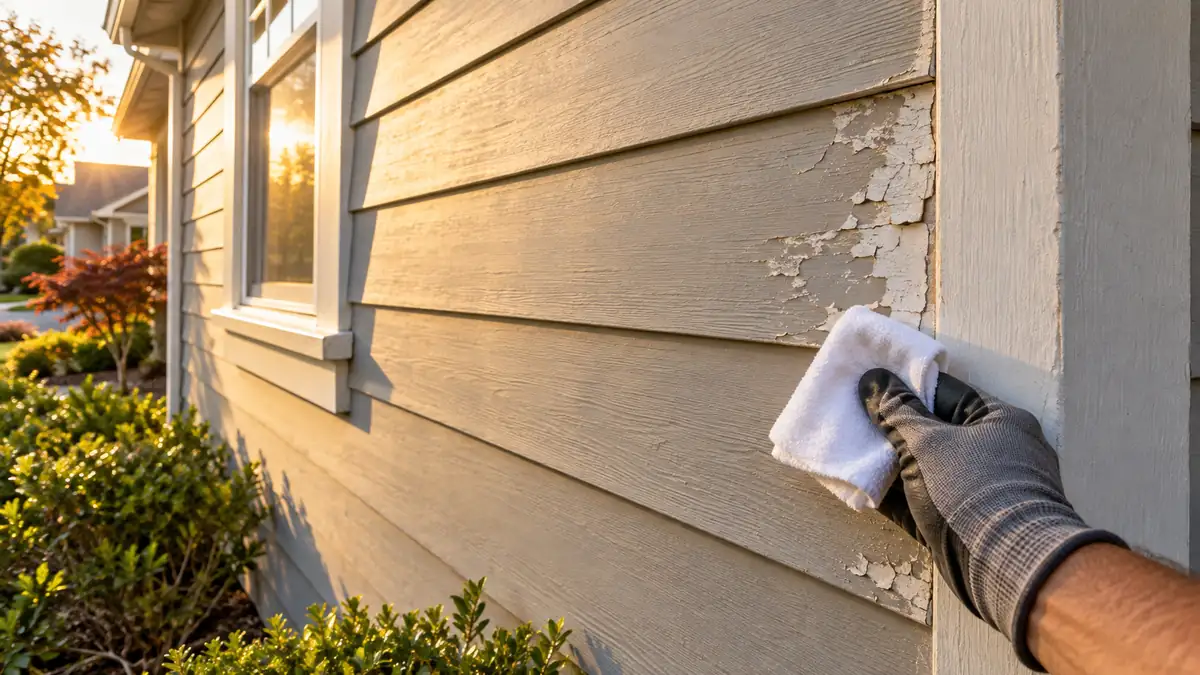
Chalking is the formation of a fine powder as a coating weathers. From a distance, a chalked wall can resemble a faded wall. At an accessible, inconspicuous area, a gentle wipe with a clean white or dark cloth may reveal powder from the finish. Do not use this test to identify hazardous materials, and do not sand or disturb an older unknown coating.
A small amount of weathering may not mean the wall assembly has failed. Heavy chalking matters because new paint must bond to a stable, properly prepared surface. Painting directly over loose powder can leave the new coating attached to residue instead of sound material.
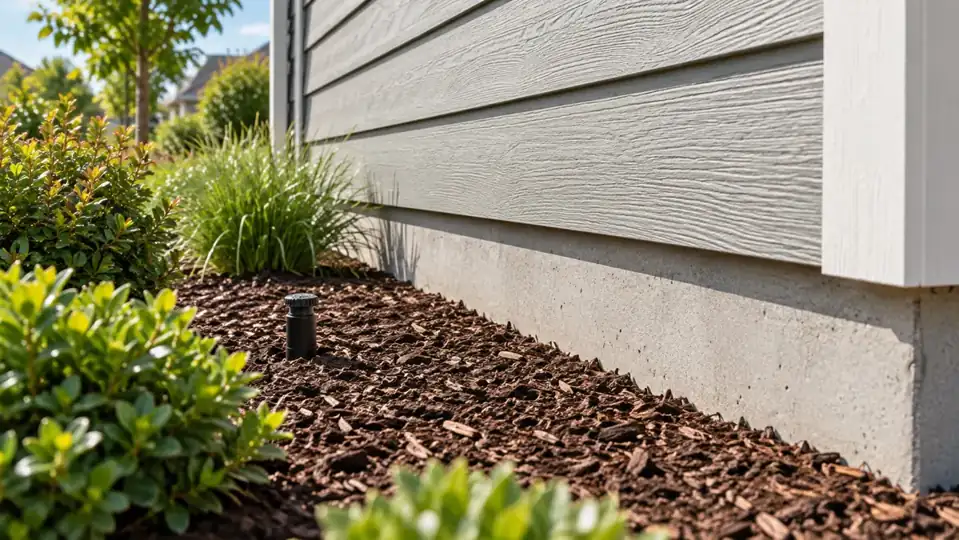
Record where the powder appears and whether the pattern matches sun exposure, runoff or irrigation. Our siding and sprinkler checklist explains why a repeatedly wet lower wall deserves a different investigation from a uniformly sun-exposed field.
Peeling, cracking and blisters require diagnosis before repainting
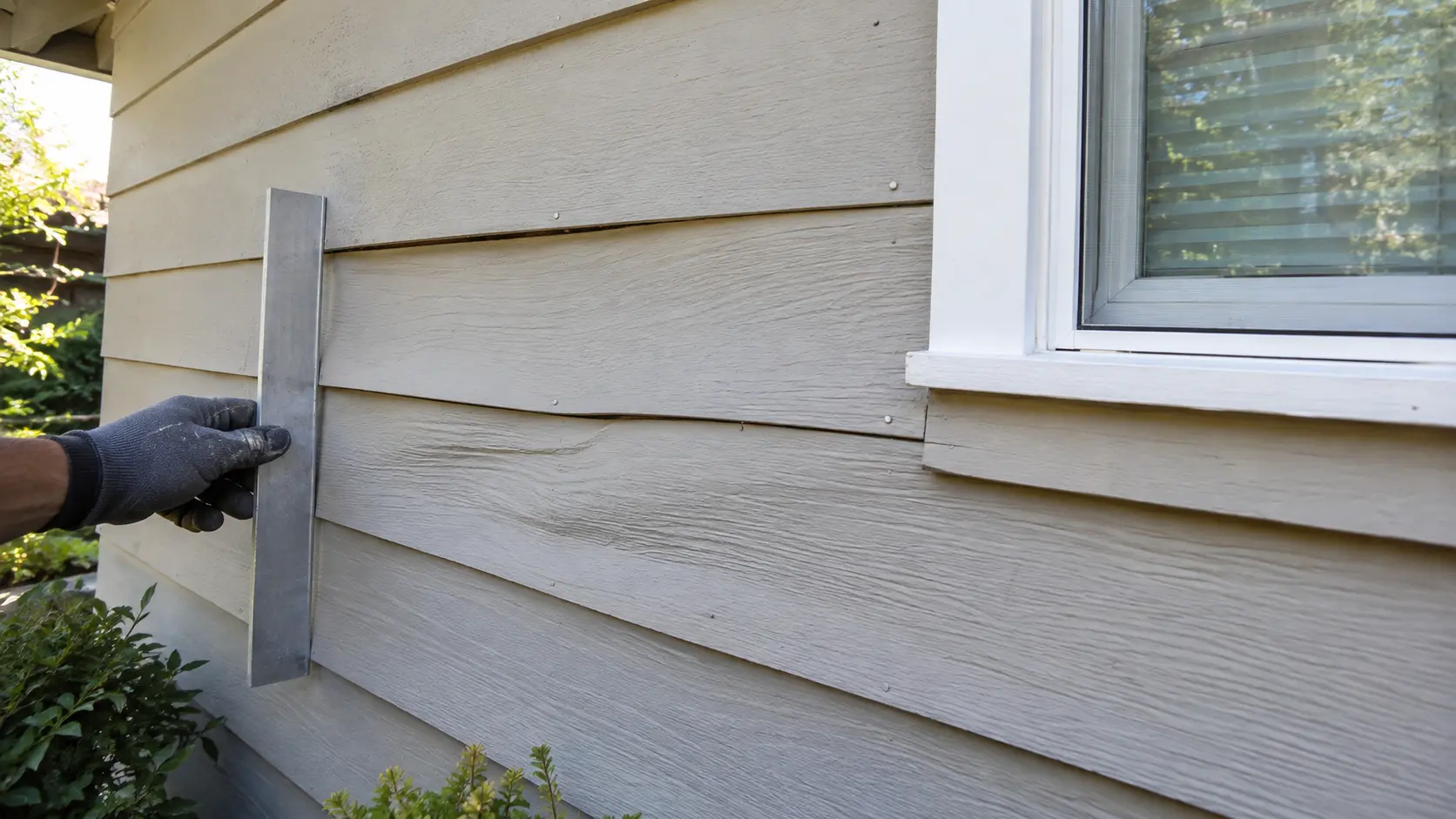
Peeling has visible edges where the paint film is separating. Cracks may run only through the coating or continue into the underlying material. Blisters are raised pockets that can result from several conditions, including moisture or application problems. None of these should be treated as simple color loss.
Photograph the defect both close up and in context. Look for a pattern:
- At horizontal edges or end joints: check whether water is collecting or the detail conflicts with the product instructions.
- Below windows and roof transitions: inspect flashing, sealant joints and drainage paths.
- Near soil or sprinklers: correct repeated wetting before refinishing.
- Only on one past repair: compare the primer, paint and preparation with the surrounding work.
- Across many boards: identify the siding material, coating history and condition of the substrate before estimating a repaint.
Peeling paint does not automatically mean full siding replacement. But repainting cannot repair swollen engineered wood, decayed wood, cracked panels, failed flashing or damaged sheathing. Those conditions require a scope that addresses the material or water path first.
A five-step Sacramento siding check
1. Map exposure by elevation
Label photos north, south, east and west. Note shade from eaves, trees and adjacent buildings. Take comparison photos at roughly the same time of day; glare can make intact siding look uneven.
2. Identify the material and finish if possible
Wood, engineered wood, fiber cement, vinyl and metal do not use the same repair or coating process. A factory finish is also different from a field-applied repaint. Save old invoices, product labels and leftover paint information if available.
3. Separate color, coating and substrate findings
Use three columns in your notes:
| Finding | What you can observe | What it does not prove |
|---|---|---|
| Fading | Broad color loss; film still attached | That panels must be replaced |
| Chalking | Powder transfers during a gentle wipe | The source or depth of the problem |
| Peeling or blistering | Film lifts, curls or bubbles | That repainting alone will solve it |
| Softness or swelling | Substrate changes shape or firmness | The concealed damage extent |
This keeps an estimate from jumping from “the color looks tired” directly to a full replacement recommendation.
4. Follow water around the defect
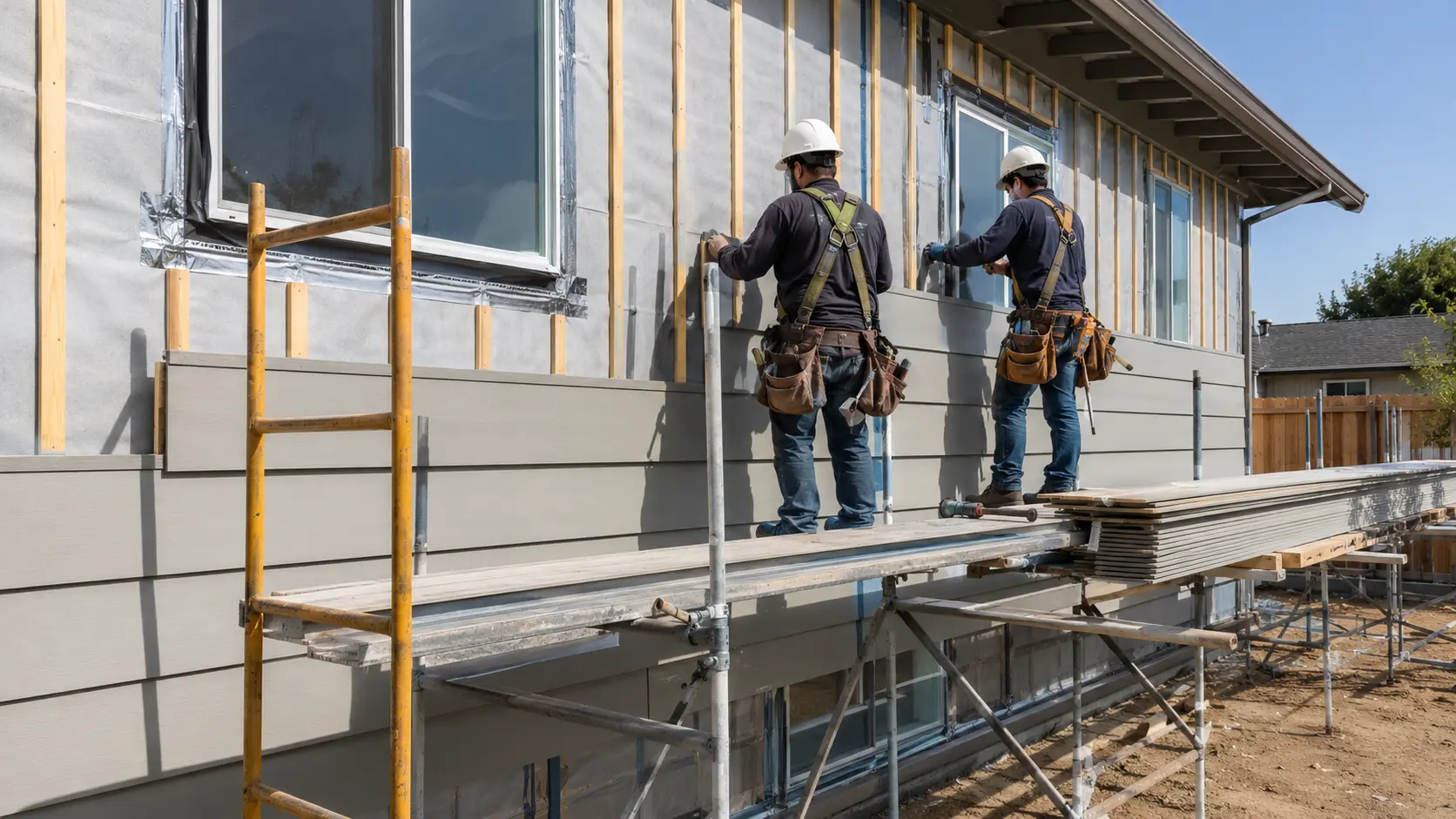
Check gutters, downspouts, roof-to-wall intersections, window and door trim, hose bibs, vents and irrigation. Water may enter above or beside the visible damage. Our guide to the water-resistive barrier behind replacement siding explains why the outer panel is only one part of the wall assembly.
5. Compare three realistic scopes
Ask the contractor to explain which of these fits the observed condition:
- Clean and maintain: for a sound finish with removable surface dirt and no adhesion problem.
- Prepare and repaint: when the substrate is sound but the coating needs proper cleaning, removal of loose material, repairs, compatible primer and finish.
- Repair or replace siding before finishing: when panels, trim, flashing or sheathing are damaged.
The estimate should state which elevations are included, how failed coating will be prepared, how concealed damage will be handled and which product instructions govern the work. A single “paint siding” line item is not enough when several failure patterns are present.
Should faded siding be pressure-washed?
Do not begin with the most aggressive setting. High pressure can force water into joints, damage some materials and remove loose coating without resolving why it failed. Start with the siding and coating manufacturers' cleaning instructions. Protect openings, electrical components, landscaping and adjacent finishes.
If the home may have an older painted surface, avoid sanding, scraping or power washing until the coating and applicable safety requirements are understood. The age of a house or a visual guess cannot confirm what a coating contains.
When replacement is the better conversation
Consider a siding repair or replacement assessment when color change is accompanied by widespread softness, swollen edges, recurring moisture, cracked or loose panels, significant distortion, or failed details at openings. The condition behind removed material can change the final scope, so a proposal should explain documentation and change-order handling.
For a broader decision framework, see when to replace siding in Sacramento. If the material itself is sound, replacement may be unnecessary; if the substrate is failing, a cosmetic coating will not restore it.
Bring useful evidence to the estimate
Prepare four elevation photos, close-ups of representative defects, the approximate date of the last repaint, known product information and notes about sprinklers or leaks. This helps the contractor price investigation and preparation instead of guessing from one sunlit photo.
Yellowstone Renovation can inspect the finish, siding, trim and visible water-management details before recommending a scope. Review our Sacramento siding service, the Sacramento exterior service-area page and completed exterior project showcase, then request a siding estimate with your photos.
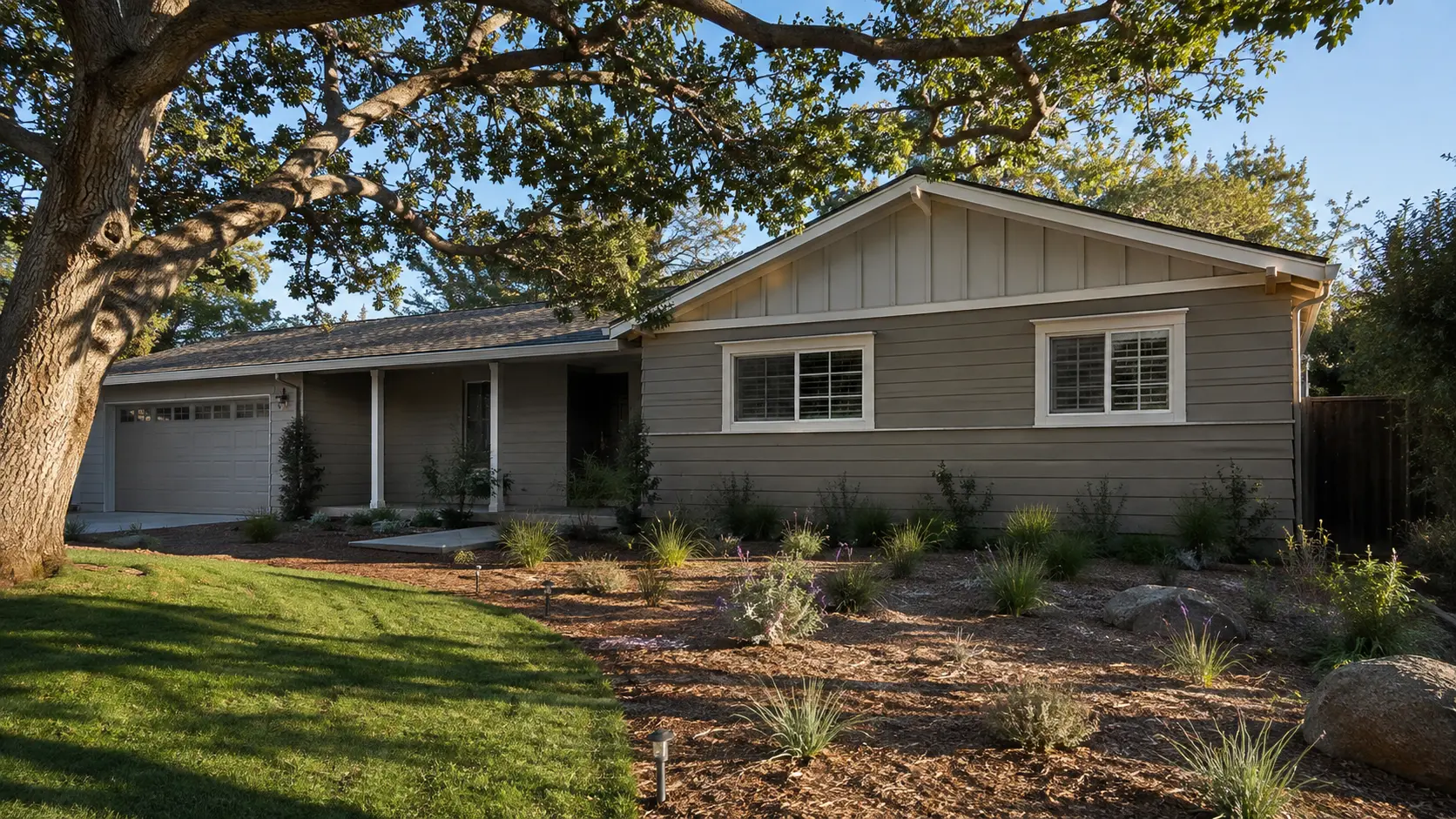
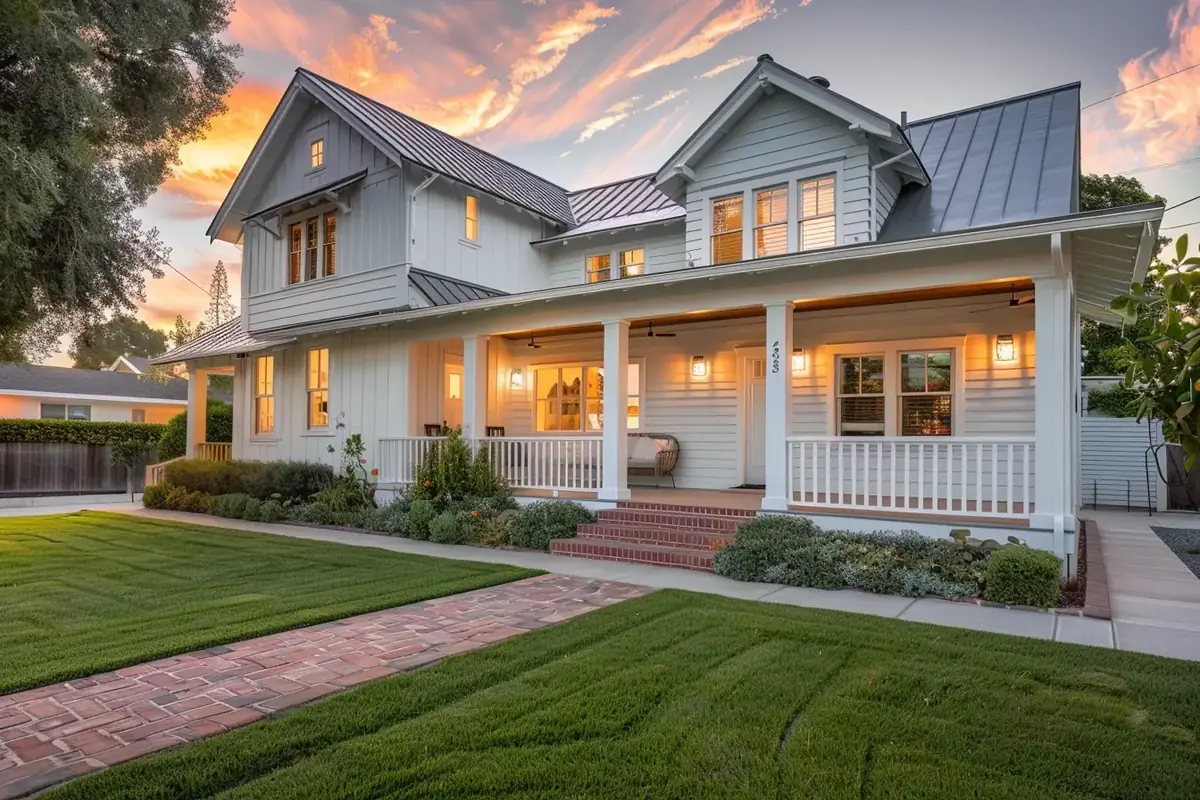
The hero image for this article is an editorial illustration and is not presented as a Yellowstone Renovation project photograph.