Warping is a symptom, not a diagnosis
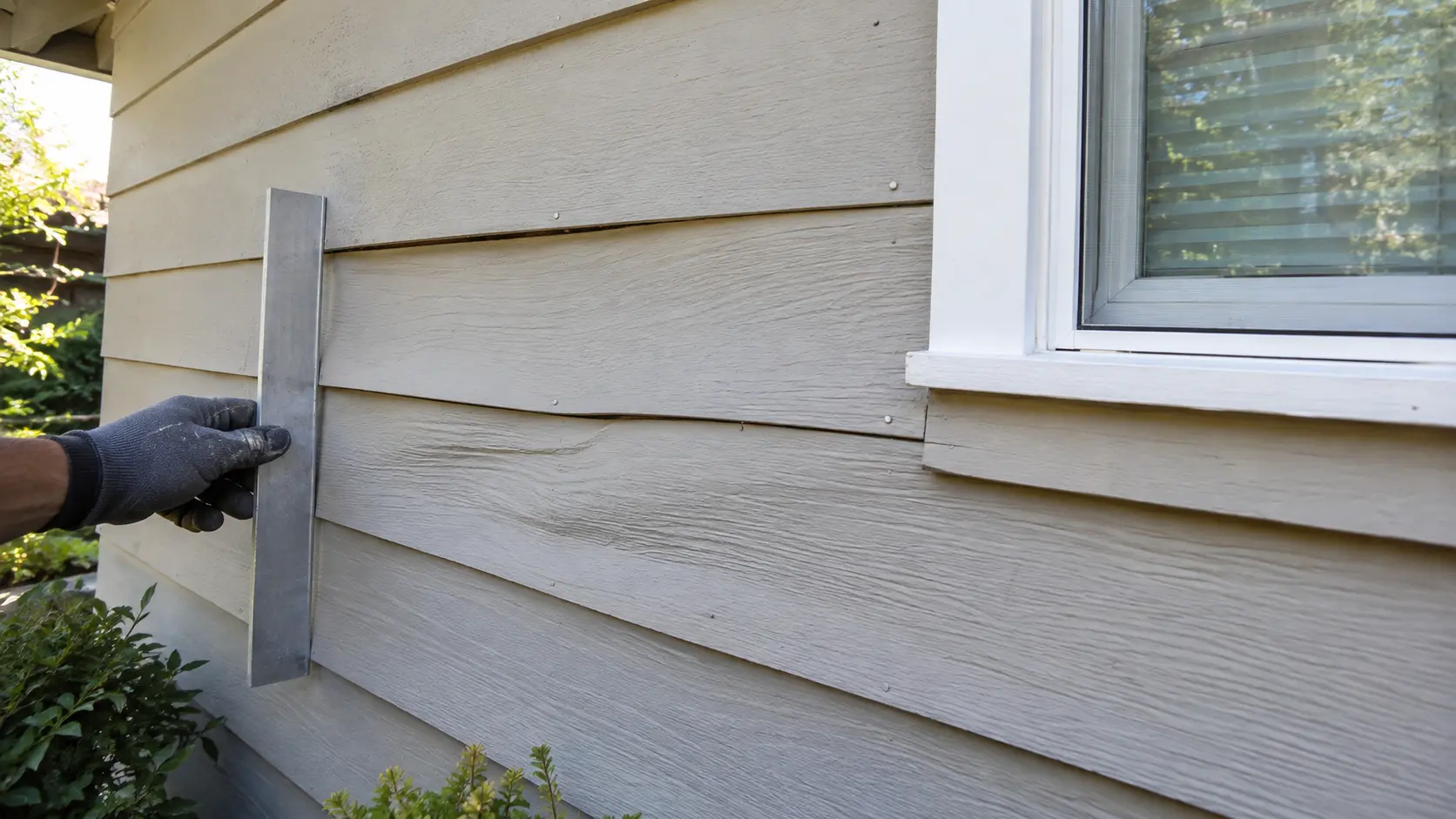
Siding that waves, buckles, bows or pulls away from the wall can be caused by the product, installation, moisture or the wall behind it. Replacing one panel without understanding the pattern can leave the same condition in place.
Start by documenting when and where the movement appears.
1. Fasteners are too tight or incorrectly placed
Many siding systems need room to move. Vinyl panels, for example, are typically hung through elongated slots so they can expand and contract. If nails or screws clamp the panel, thermal movement can produce waves or buckles.
Other materials have their own fastening schedules, edge distances and penetration requirements. “More fasteners” is not automatically a fix.
Clues:
- Buckles repeat near fastener lines
- Panels cannot slide as intended
- Distortion increases on hot afternoons
- The issue is visible across recently installed areas
2. Expansion clearances are missing
Long panels and boards need product-specific gaps at corners, trim, joints and penetrations. Missing clearance can cause material to push against a rigid stop.
The required gap varies by material, product, length and installation temperature. Use the current manufacturer instructions for the exact siding—not a generic rule.
3. Moisture is trapped behind the siding
Leaks, missing flashing, blocked drainage or indoor moisture moving into the wall can affect sheathing and framing. Swollen substrate can push the siding outward even if the siding itself is not defective.
Look for:
- Staining below windows or roof-to-wall intersections
- Soft trim or sheathing
- Musty odor indoors
- Repeated paint failure
- Damage concentrated near sprinklers, decks or grade
Do not seal the bottom drainage path with caulk unless the siding system specifically requires it.
4. The wall is uneven or moving
Siding follows the plane beneath it. Uneven furring, bowed studs, swollen sheathing or foundation movement can create a repeated wave. If the pattern aligns with framing or sheathing joints, inspect the substrate before blaming the finish material.
5. Reflected heat is concentrating on vinyl siding
Highly reflective windows, nearby glazing or dark hardscape can direct intense heat onto a limited area. Vinyl distortion caused by concentrated reflected heat often appears in a specific band or shape rather than evenly across the wall.
Changing the damaged panels without addressing the heat source may lead to repeat damage. Shade, screens, landscaping or glazing solutions should be evaluated without blocking drainage or creating another code issue.
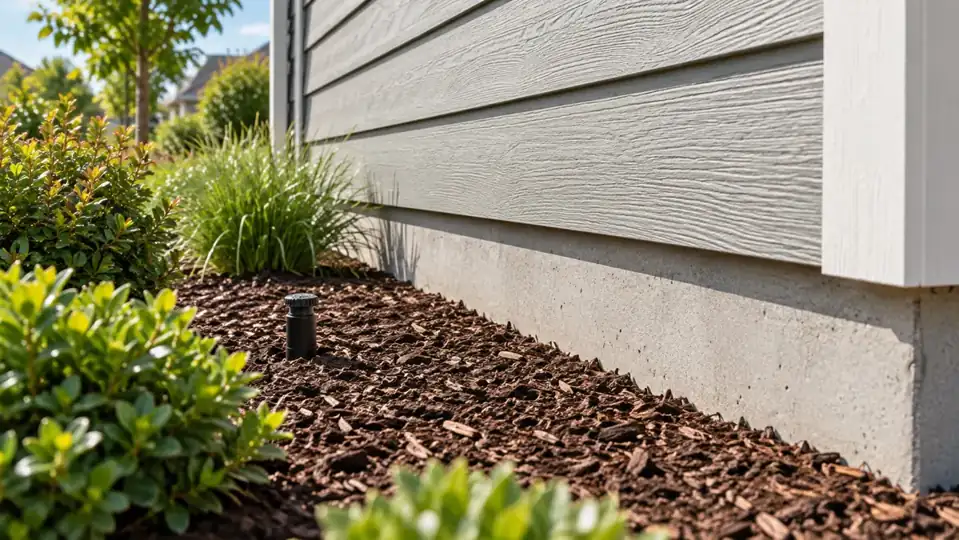
6. Clearances at roofs, soil or paving are wrong
Siding installed too close to roofing, soil, concrete or a deck can stay wet, absorb contaminants or experience heat and movement it was not designed to handle.
Manufacturer clearance details differ. Inspect transition flashing, kick-out flashing, deck ledgers and the bottom edge of the wall as one system.
7. Paint or finish is incompatible
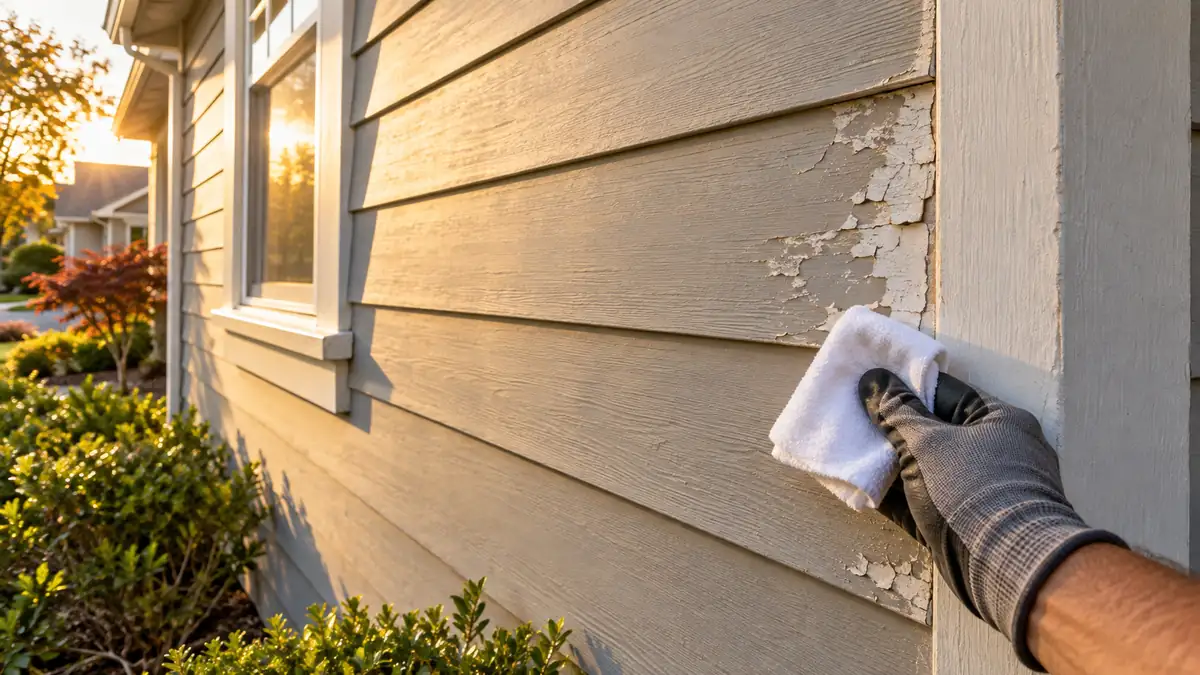
Applying an unapproved dark color, coating or preparation method can change surface temperature or adhesion. Factory-finished and field-painted systems have different touch-up and repaint requirements.
Before repainting distorted siding, identify whether the substrate is stable and confirm which products are allowed.
8. Panels were stored or installed incorrectly
Materials can be damaged before they reach the wall. Improper stacking, wet storage, unsupported bundles or installation outside product conditions can introduce distortion.
A project record that includes delivery photos, product labels and installation conditions can be valuable if a warranty question arises.
Repair or replace?
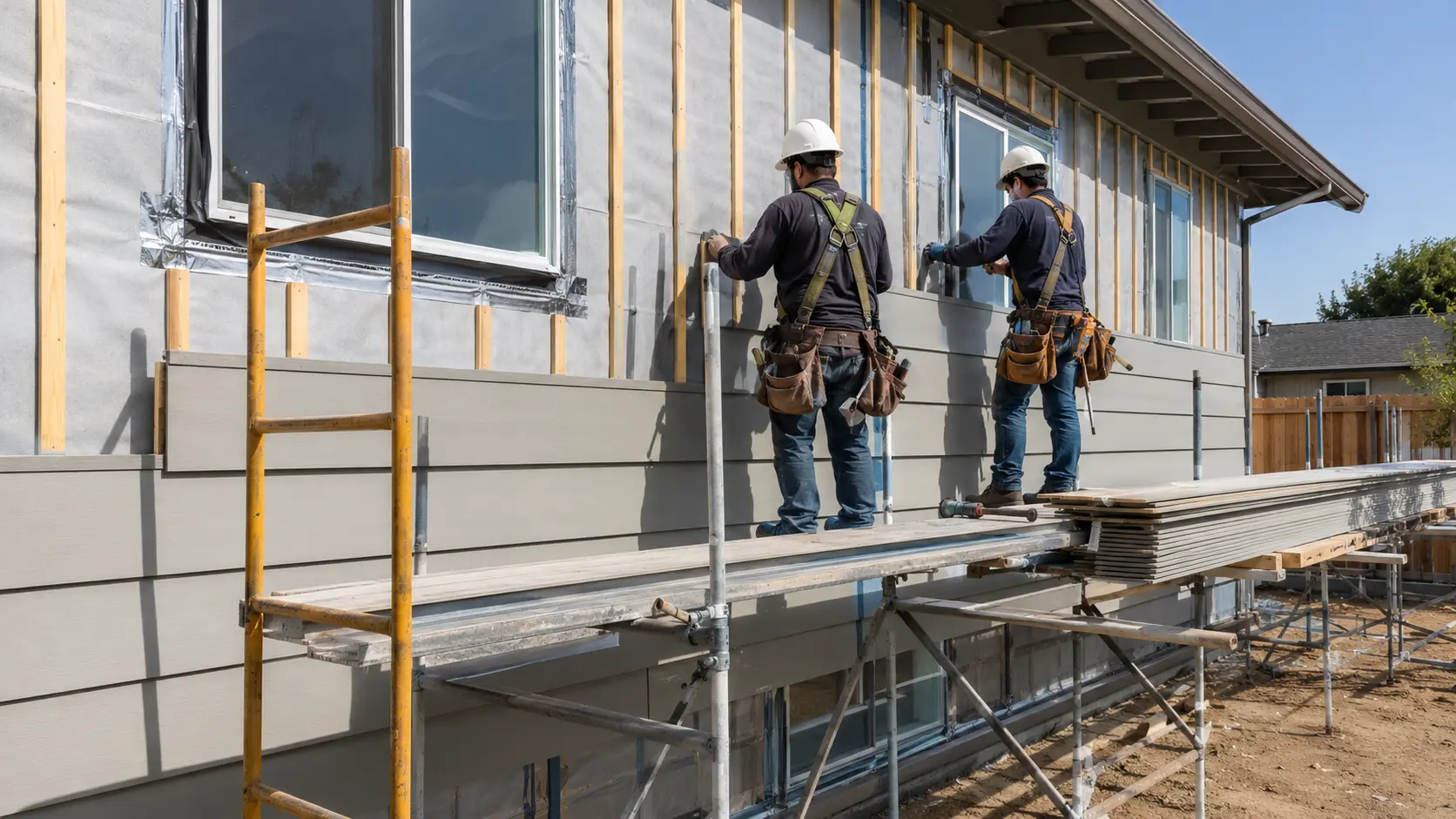
Localized panel replacement may work when:
- The cause is known and corrected
- The wall and water-resistive layers are sound
- Matching material is available
- Damage is limited
- Correct clearances can be restored
Broader replacement may be appropriate when:
- Distortion is widespread
- The installation method is wrong across multiple walls
- Sheathing or framing is damaged
- Flashing and drainage details must be rebuilt
- Matching panels or colors are unavailable
What a siding inspection should document
- Wall orientation and time of day the distortion changes
- Product type and approximate age
- Fastener and joint pattern where visible
- Window, roof, deck and grade transitions
- Water staining inside and outside
- Reflective glass or hardscape nearby
- Whether the wall plane itself is uneven
- Product labels, receipts and warranty records
The goal is to correct the mechanism, not only improve the photograph.
Yellowstone Renovation evaluates siding replacement and selected repairs across Sacramento Metro. Explore our Sacramento siding services or schedule an on-site estimate.