Repair the cause—not only the crooked board
A damaged picket is often easy to replace. A fence that leans across several sections, moves at the posts or repeatedly drags at the gate is a different problem. The visible symptom may be connected to soil, drainage, posts or framing below it.
Use these nine signs to decide whether to request a repair evaluation or plan for replacement.
1. Multiple posts move at ground level
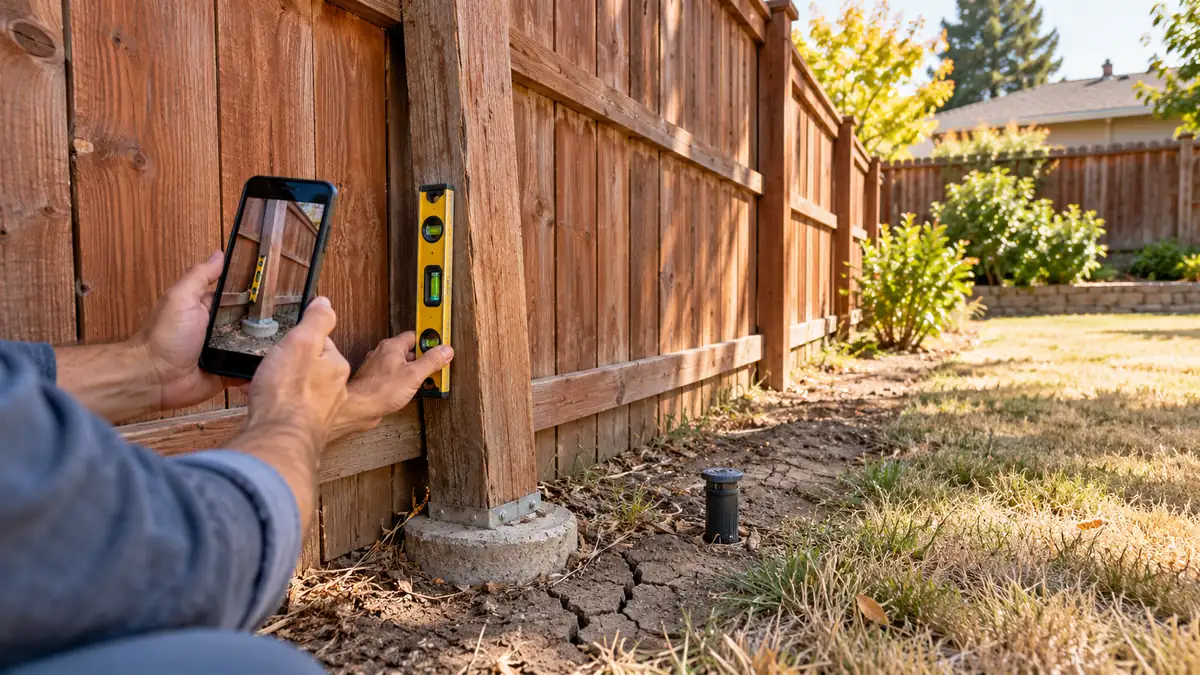
If movement appeared after summer, use the Sacramento dry-season fence-post checklist to separate a loose footing, ground-line decay, rail movement and irrigation exposure before choosing a repair.
Push lightly on the fence near several posts. If the posts move in the soil or pivot inside failed concrete, replacing boards will not stabilize the system. One damaged post may be a repair; movement across many posts can make a full rebuild more practical.
Look for:
- Cracked or heaved concrete
- Rot at the soil line
- Corrosion on steel posts
- Soil erosion around foundations
- Movement that continues through several panels
2. The fence leans across a long run
A short section may lean because one post failed. A long, consistent lean can point to widespread post movement, poor original foundations, wind loading or a fence that has reached the end of its useful structure.
Measure the top line from several angles. A repair scope should explain why the fence moved and what keeps it from returning.
3. Rot appears in rails, posts and boards
One rotten picket is localized. Decay in the lower rails, posts and many board ends means moisture has affected several parts of the assembly.
Probe only with light pressure and avoid climbing or leaning on questionable sections. A fence can look intact from one side while connectors and rails are badly deteriorated on the other.
4. Gates drag, twist or no longer latch
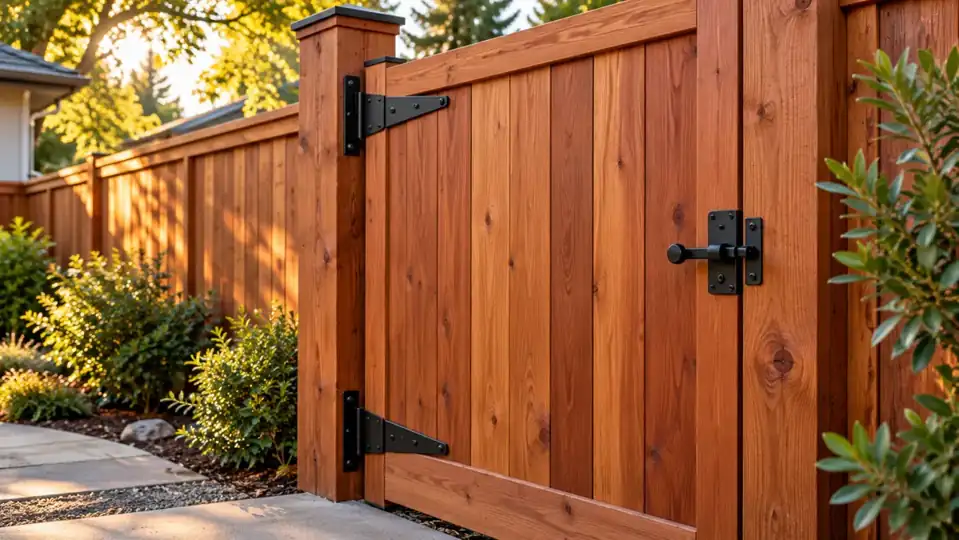
A gate can sag because of loose hinges or missing bracing. It can also drag because the gate post moved. Before replacing hardware, check:
- Whether the hinge post is plumb
- Whether the opening is still square
- Whether the frame has diagonal bracing
- Whether the ground height changed
- Whether the gate is too heavy for its hardware
Repeated adjustments without correcting the post or frame are usually temporary.
5. Fasteners are failing throughout the fence
Missing nails in one section can be repaired. Widespread rust streaks, pulled fasteners or loose rail connections may indicate incompatible hardware, board movement or age across the entire fence.
Do not simply add more fasteners without confirming that the wood around them is still sound.
6. Boards are split, warped or missing in many areas
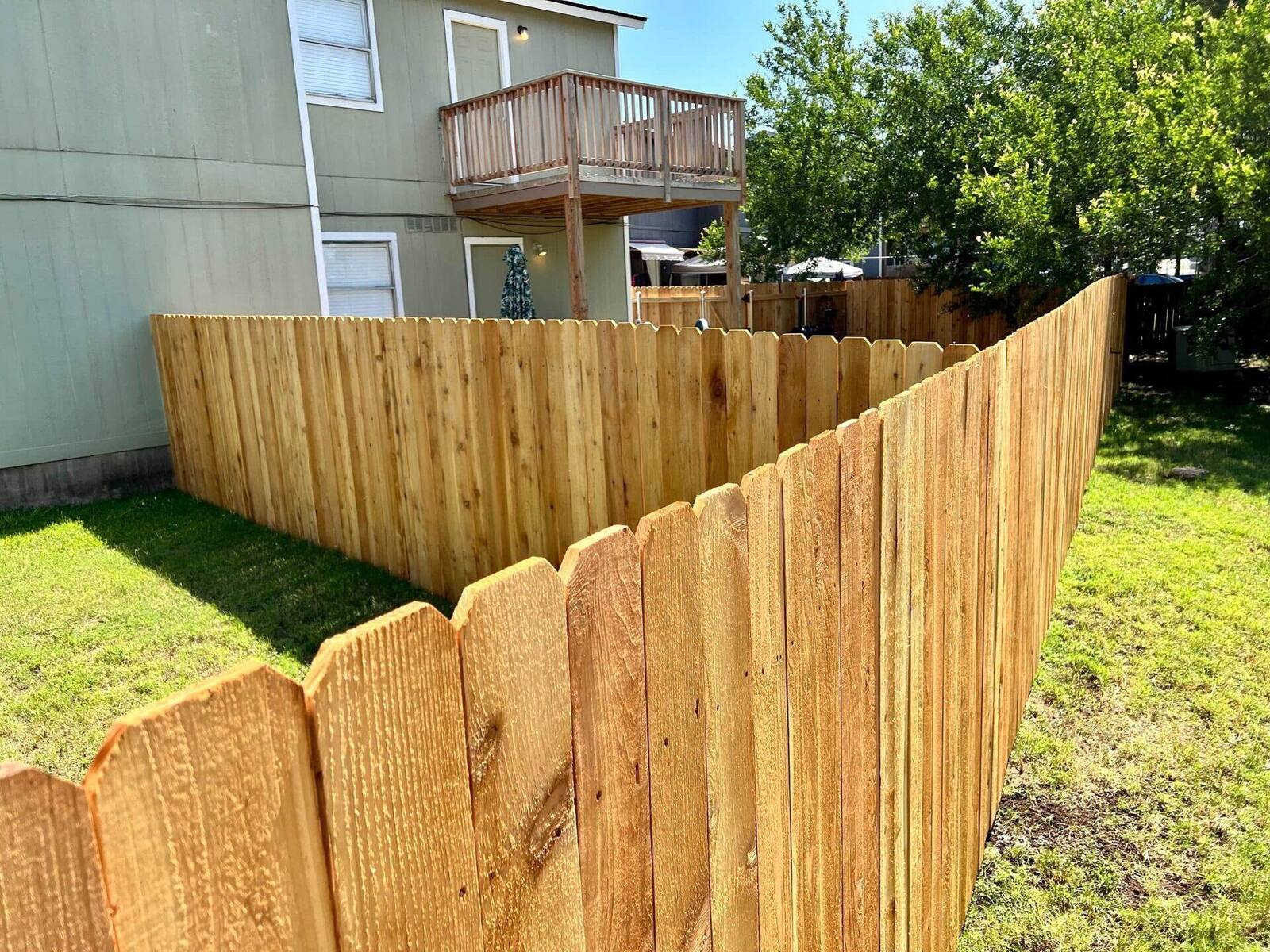
Individual board replacement makes sense when the frame remains straight and the matching material is available. Replacement becomes less attractive when new boards would cover a worn structure, many neighboring boards are already failing, or the original profile cannot be matched.
7. The bottom edge stays wet
Soil, mulch, vines and sprinkler overspray can keep the fence from drying. If deterioration is concentrated along the bottom, correct the moisture source before installing new material. Otherwise, the new fence begins with the same problem.
8. Repeated repairs are creating a patchwork system
Several generations of posts, mismatched rails and temporary braces can make future repairs harder to predict. Add the cost of the last few repairs and compare it with a coordinated replacement that corrects layout, posts and gates at one time.
9. The current layout no longer works
Replacement may be driven by function, not only failure. Common reasons include:
- A gate is too narrow for equipment
- Privacy gaps no longer meet the homeowner's needs
- A pool or pet area requires a different layout
- A remodel changed traffic flow
- The fence conflicts with landscaping or drainage
A rebuild is an opportunity to correct those issues instead of reproducing the old fence exactly.
When a fence repair usually makes sense
Repair is often reasonable when:
- Damage is limited to one or two panels
- Most posts are stable and plumb
- Rails remain sound
- Matching material is available
- The gate opening and layout still work
- The repair will not hide a wider moisture or soil problem
When replacement may be the better value
Consider replacement when:
- Many posts or rails have failed
- The fence leans across a long distance
- Rot or corrosion is widespread
- Gates and panels keep moving after adjustment
- More sections are likely to fail soon
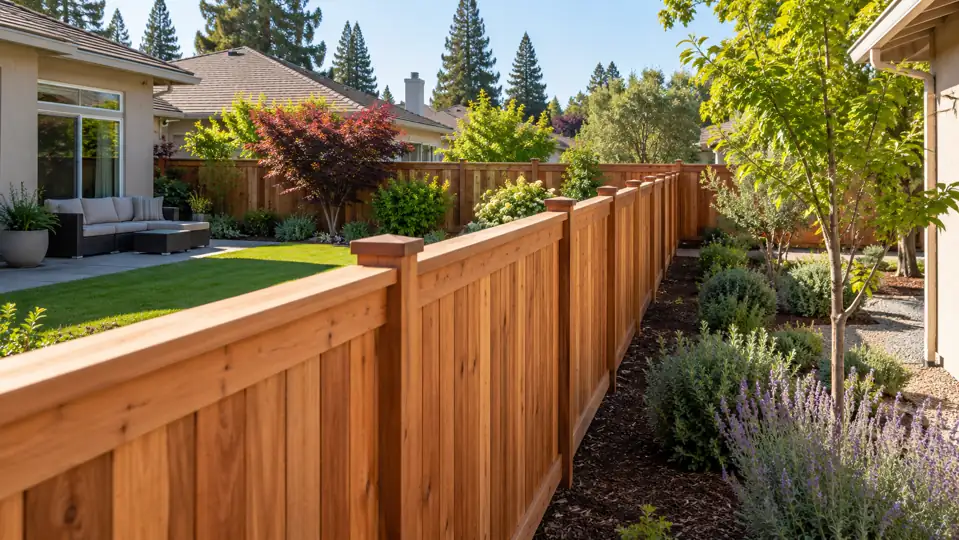
- The layout, height or material no longer fits the property
What to document before requesting an estimate
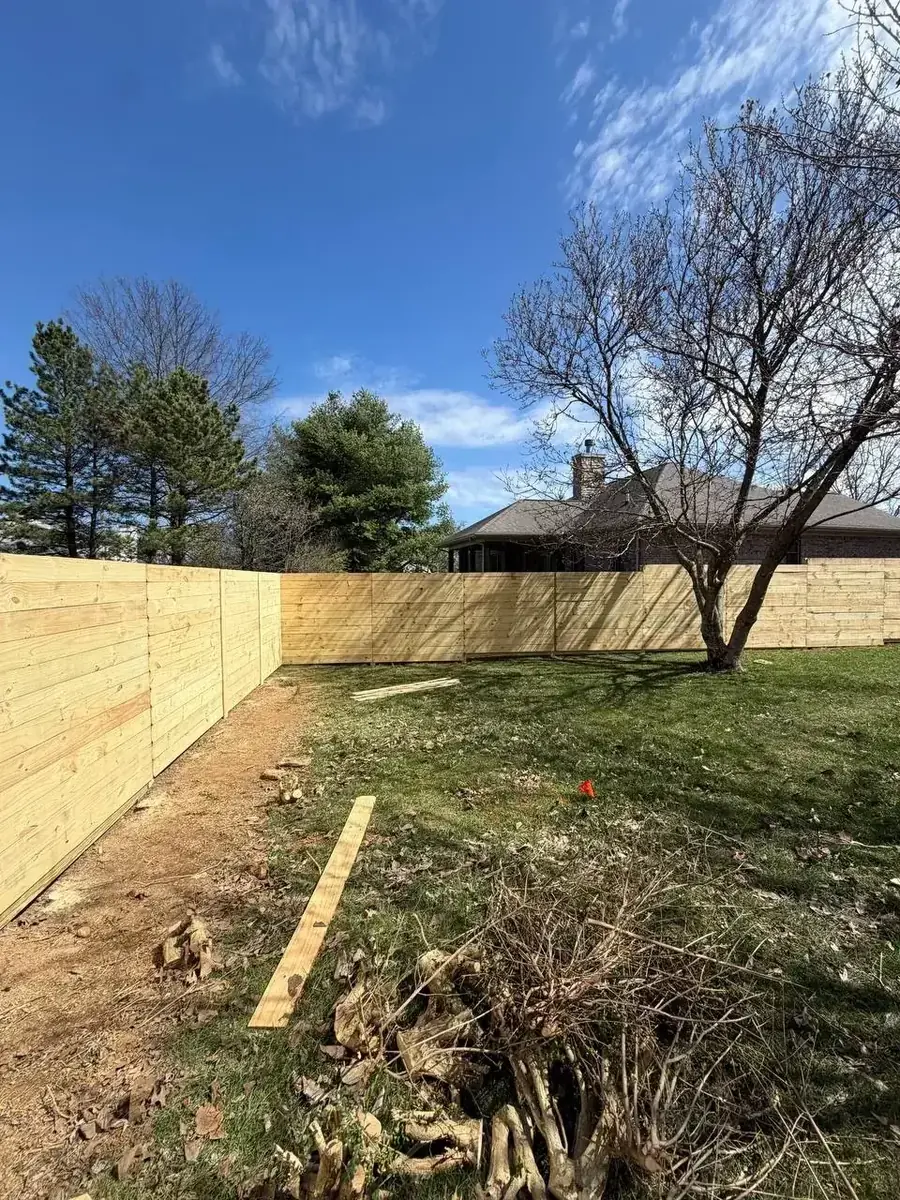
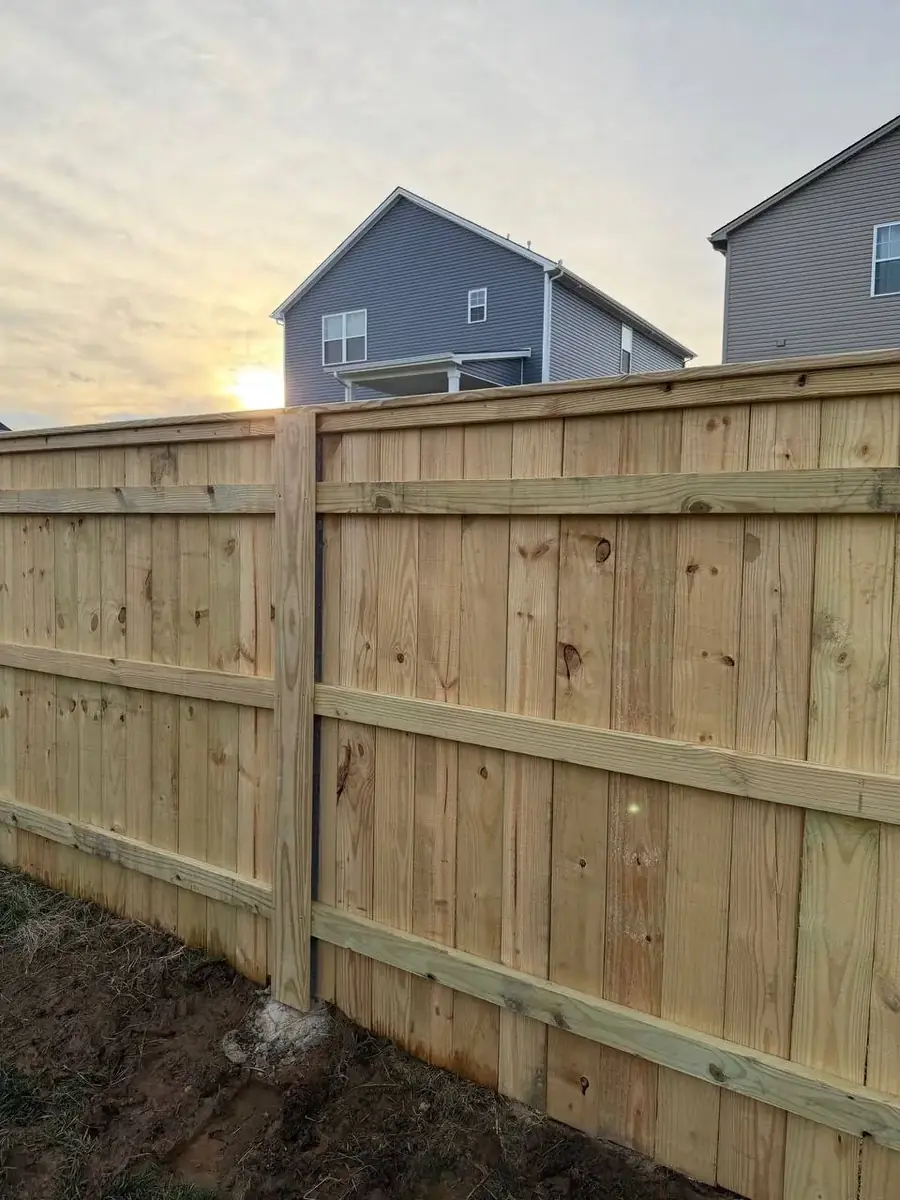
Take photos of the full fence line, both sides when access is allowed, post bases, gates and the worst damage. Estimate the linear footage and note whether the fence is shared with a neighbor. Do not assume the visible fence is the legal property line; survey and ownership questions should be resolved separately.
Yellowstone Renovation evaluates fence replacement and selected repair scopes across Sacramento Metro. Review our fence contractor page, compare wood fence options or request an on-site estimate.
For a dragging or misaligned gate, use the Sacramento fence gate diagnosis guide before replacing a whole fence.