
Before Sacramento's wetter months, take one slow lap around the property and create a dated record of water paths, exterior openings, siding, deck and fence conditions. Start at the roofline from the ground, follow each downspout to its discharge point, then inspect walls and openings before finishing with walking surfaces and the fence. Photograph a concern in context and close-up, but do not climb, open walls or test an unstable component.
The purpose is not to produce a do-it-yourself structural verdict. A good fall walk-through identifies changes, connects related observations and gives the right contractor a useful starting point.
Prepare a simple exterior map
Use a phone note or a printed sketch with the street side marked. Label each wall north, south, east or west if you know the orientation; otherwise use front, back, left and right. Record the date and whether the irrigation recently ran.
For each concern, capture:
- One wide photo showing the location on the house
- One closer photo showing the condition
- A short note describing what changed and when
“Stain below rear window after sprinkler cycle” is more useful than “bad siding.” Avoid diagnosing rot, foundation movement or failed flashing from appearance alone. Those conclusions may require moisture readings, safe access or controlled removal.
1. Begin with roof edges, gutters and downspouts
Stay on the ground and look for visibly displaced gutter sections, loose downspouts, debris at accessible outlets, staining on fascia and erosion where water leaves the system. Never walk on the roof or lean a ladder against a questionable gutter.
Follow each downspout visually. Record whether it discharges beside siding, a deck support, a walkway or low soil. During a later rain, observe from a safe place whether water overflows or travels somewhere different from the intended route. Do not block an outlet simply because it is inconvenient; water needs a planned path.
At the curb, keep leaves and debris from obstructing drainage. The City of Sacramento's leaf-season guidance tells eligible residents to leave space between a leaf pile and the curb so water can flow toward storm drains. Because eligibility varies by address, use the City's collection calendar rather than assuming every property receives the same service.
2. Trace water at grade before inspecting finishes
Walk the house perimeter and look for low spots, soil washed away beneath an outlet, mulch or vegetation pressed against the wall, and irrigation spraying the building. Run irrigation zones only if the property owner can do so normally and safely. Photograph overspray, pooling and wet areas while the source is operating.
Sweep patios rather than washing debris into the gutter; Sacramento's stormwater pollution guidance explains that material entering the storm-drain system can reach waterways untreated.
Do not solve a drainage observation by randomly adding soil against siding or extending a pipe across a walkway. Changes should preserve required clearances, safe circulation and a reliable discharge route.
3. Read siding and trim patterns, not just color
Stand back first. Compare broad color change with localized peeling, blistering, swelling, open joints or staining below windows and roof transitions. Uniform sun exposure is a different pattern from damage concentrated beside a sprinkler or downspout.
Then inspect accessible lower areas without prying. Note loose trim, failed-looking sealant, plant contact and holes around penetrations such as hose bibs, lights and vents. Sealant is not a universal repair: applying caulk over an unknown drainage opening or wet assembly can hide evidence without addressing the source.
Our Sacramento siding fading-versus-paint-failure guide explains how to distinguish a finish observation from signs that the substrate or water-management details need evaluation. For repeated wetting near grade, use the siding and irrigation checklist.
4. Check windows and patio openings from both sides
From outside, document gaps, damaged trim, staining and debris at accessible sills. From inside, note difficult operation, failed locks, drafts, water marks and whether fog appears between panes. Do not remove trim or cover a stain before the source is understood.
Heat and glare deserve their own diagnosis. A hot west-facing room may respond to shade even when the window remains functional; use the west-facing window shade-first test before assuming glass replacement is the only answer.
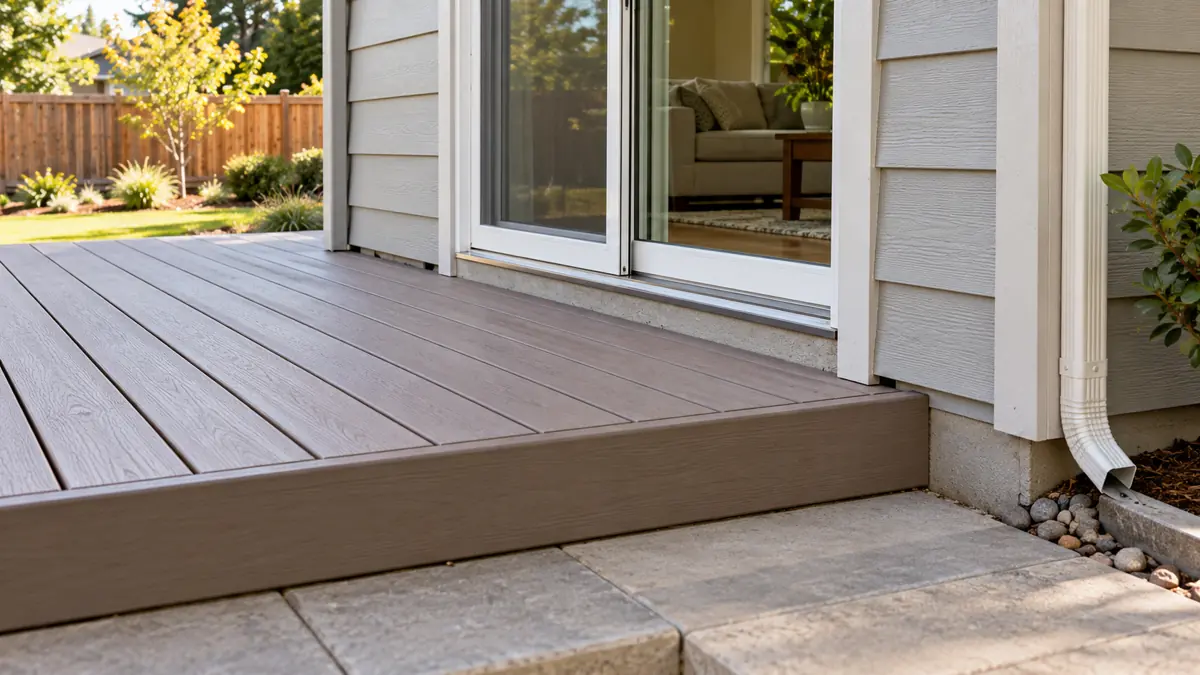
At a sliding patio door, clear loose debris gently without sealing designed drainage paths. Record how the threshold meets the deck or patio and whether the walking surface slopes or traps water nearby.
5. Walk the deck in the direction people use it
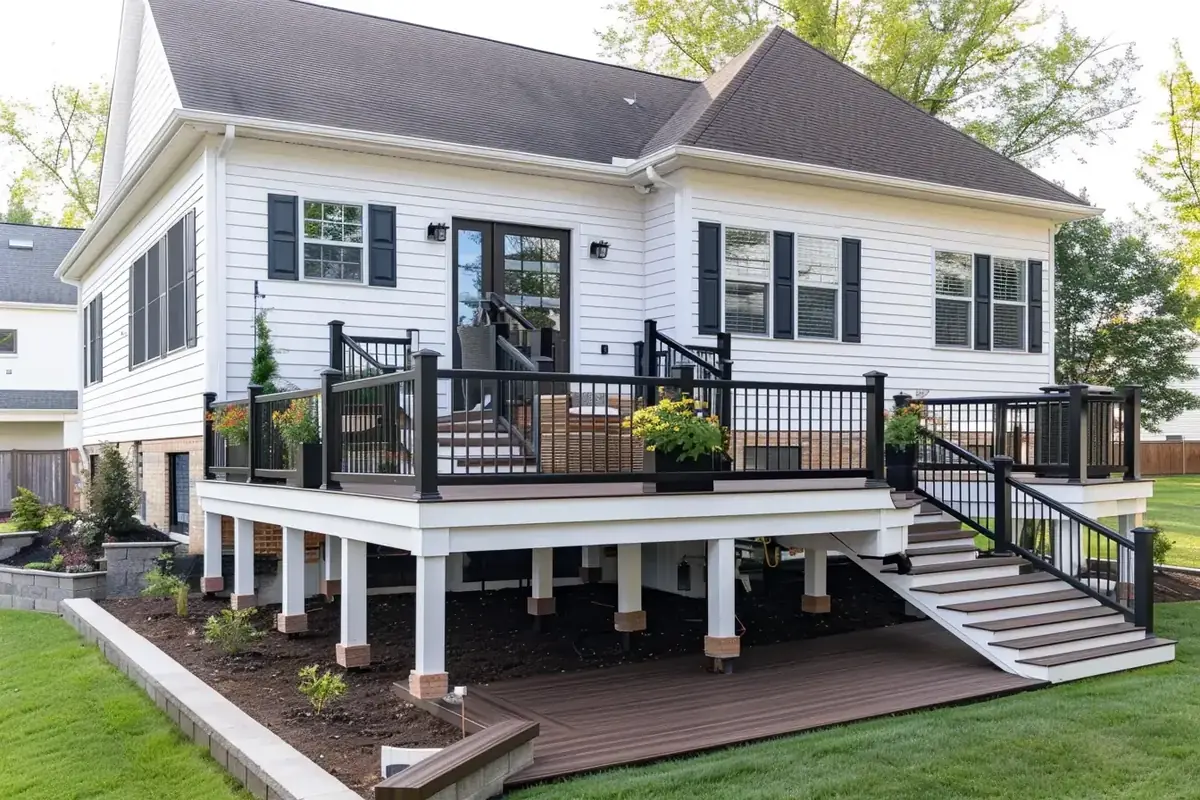
Begin at the door and follow the normal path to stairs and yard. Record lifted board ends, loose-looking fasteners, soft wood, unusual composite movement, rocking railings and changes at stairs. Keep people away from a guard, stair or support that feels unstable.
Look underneath only from an accessible, safe position. Do not crawl beneath a questionable elevated deck. Include wide photographs showing where roof, gutter, irrigation or patio runoff reaches the structure. The dedicated after-summer Sacramento deck inspection provides a more detailed photo sequence when the deck itself is the primary concern.
6. Follow the fence and operate gates once
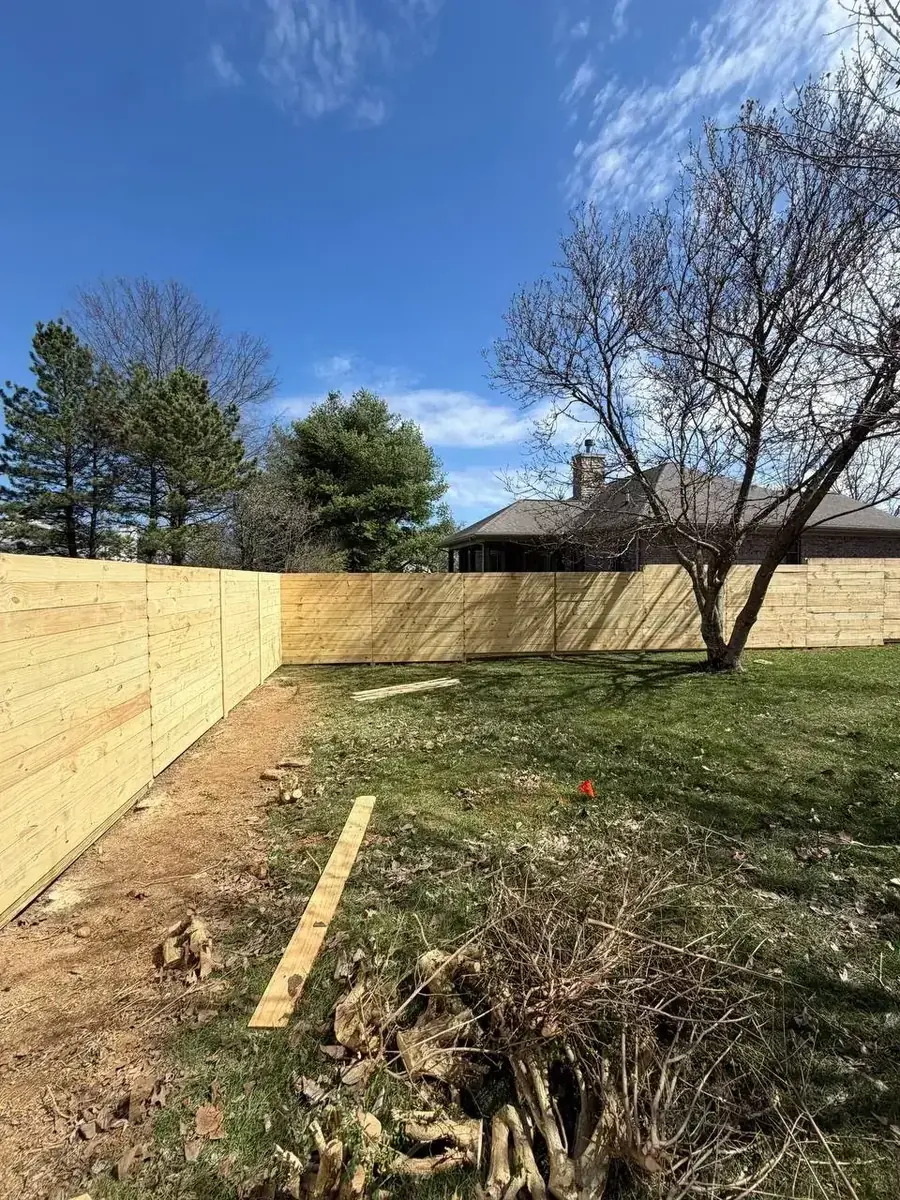
View long fence runs from both directions to make lean and alignment easier to see. Note missing or loose boards, rail separation, post movement and wood deterioration at the ground line. Open and close each gate once under normal use; do not force a dragging gate or push on a severely leaning section.
Run nearby irrigation and record direct spray or pooling at posts. The dry-summer fence-post guide separates possible footing movement, ground-line decay, rail connection problems and recurring irrigation exposure.
Do not remove or reset a shared fence during a maintenance walk-through. An existing fence is not automatically proof of a legal boundary, and access or ownership questions should be settled before demolition.
7. Sort observations by urgency and trade
Finish with a short list instead of a folder of unexplained photos.
Restrict access and request prompt assessment
- Moving rail, stair, deck support or fence section
- Soft or breaking material at a load-bearing-looking location
- Window or door that will not secure
- Active water entering the interior
- Fallen or hanging component
Schedule investigation before cosmetic work
- Repeated staining below an opening or roof transition
- Gutter overflow or concentrated discharge beside the building
- Swollen trim, localized peeling or persistent wetting
- Multiple components changing at the same intersection
Monitor with dated comparison photos
- Uniform fading without peeling or softness
- Stable hairline finish changes with no moisture history
- Debris accumulation that clears without exposing damage
When symptoms cross systems, start with the water path and the affected assembly—not a predetermined replacement product. A deck-to-door threshold may involve the deck, opening and wall; a stain below a gutter may involve drainage, fascia, siding and trim.
If the walk-through points to work on more than one assembly, use the Sacramento deck, siding and window project sequence to decide which transitions must be designed, exposed and inspected before finishes are installed.
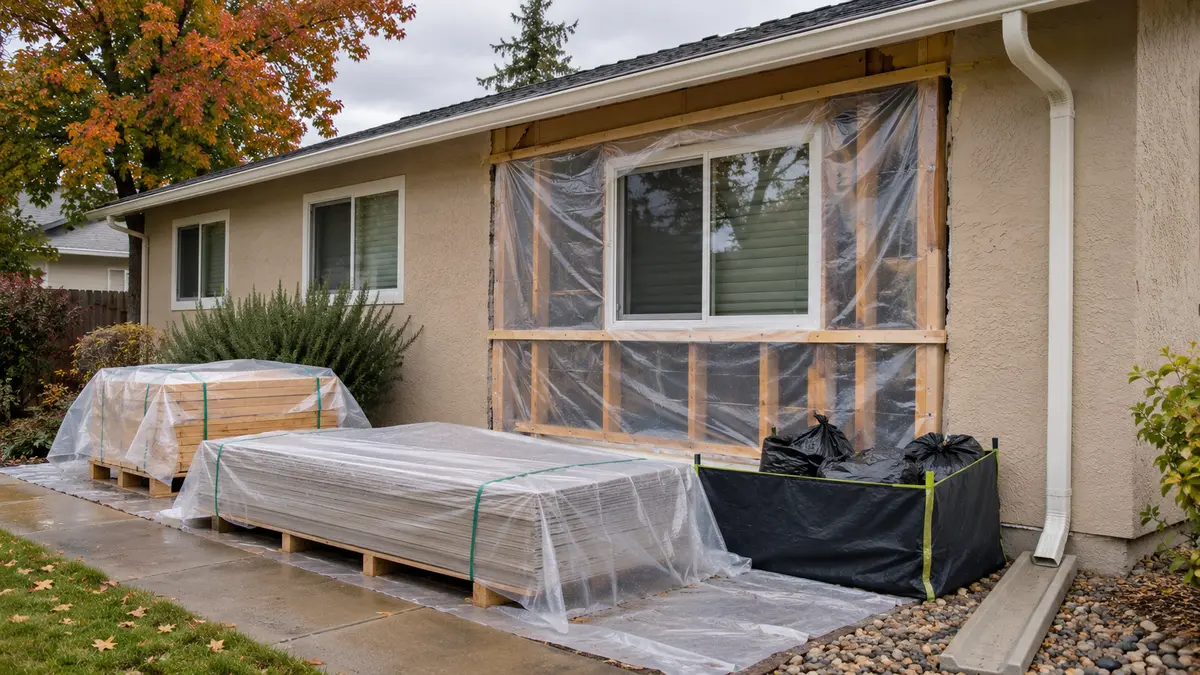
If work will continue into the rainy season, add a written Sacramento exterior-remodel rain plan covering open-wall limits, temporary protection, material storage, stop-work decisions and the after-rain restart inspection.
Turn the walk-through into a useful estimate
Send the contractor a short scope summary, the wide and close photos, and any timing information such as “appears after irrigation” or “moves during normal gate operation.” Ask the proposal to separate observed conditions, included work, allowances for concealed damage and exclusions.
When more than one company is bidding, use the Sacramento exterior-estimate questions to compare licensing, materials, permits, payments, exclusions and change-order procedures against the same documented scope.
Yellowstone Renovation coordinates exterior work for Sacramento-area homes. Review the Sacramento service page and completed Project Showcase, then request an exterior consultation for deck, siding, window or fence concerns. The walk-through helps define the starting point; the on-site assessment determines the appropriate scope.
Frequently asked questions
Should I climb onto the roof during a fall exterior inspection?
No. Record visible roof-edge, gutter and downspout conditions from the ground. Use a qualified professional when closer access is necessary.
Is fading by itself proof that siding or decking must be replaced?
No. Uniform color change may be a finish or exposure issue. Peeling, softness, swelling, movement and recurring moisture are different observations and should be evaluated separately.
Should I repair every small gap with caulk before rain?
No. Some gaps or openings are part of drainage, and sealant cannot correct failed flashing or damaged material. Identify the assembly and intended water path before sealing.
What is the most useful thing to give an estimator?
A dated set of wide and close photos plus a short note describing location, timing, movement and moisture history. That evidence helps the estimator focus the site visit without pretending photos reveal concealed conditions.